CLICK TO VIEW MORE

Portfolio Architecture in Tokyo: 60s & 70s
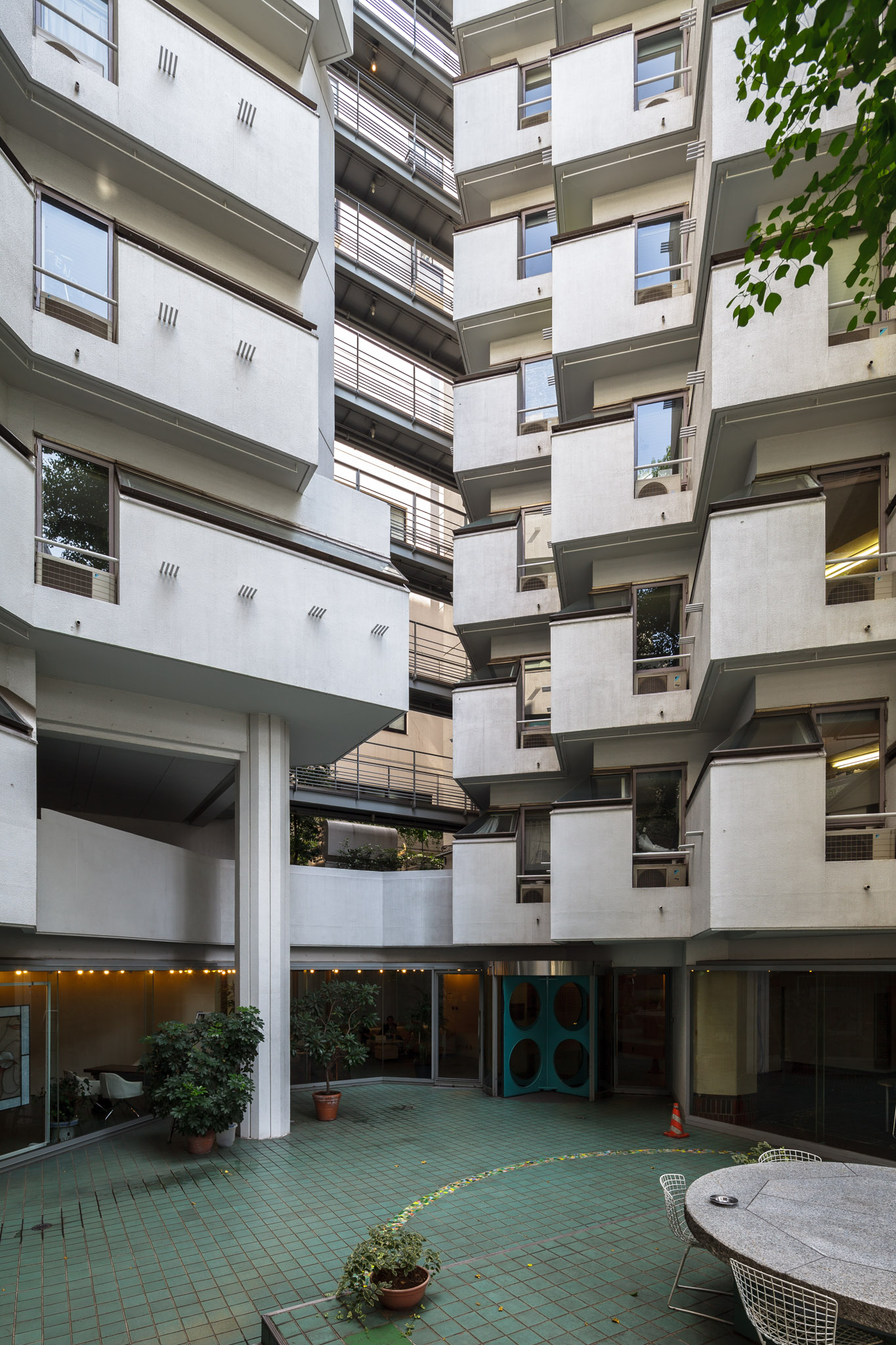
Japan’s rise to global economic power has been studied widely through the lenses of the social sciences. Yet pure historical accounts are thin on the ground. And Tokyo’s exceptional architecture, while discussed in numerous architectural guides, has rarely been placed in the context of this history. Using a novel approach of understanding society through space, this book brings the first three decades of Japanese post-war history back to life by approaching important themes and topics through some of Tokyo’s iconic buildings. This book project has an important additional dimension: In a country prone to earthquakes and a prevailing scrap and build mentality, many of these buildings may not survive the next decades. It is also for their future memory that this book is being written.
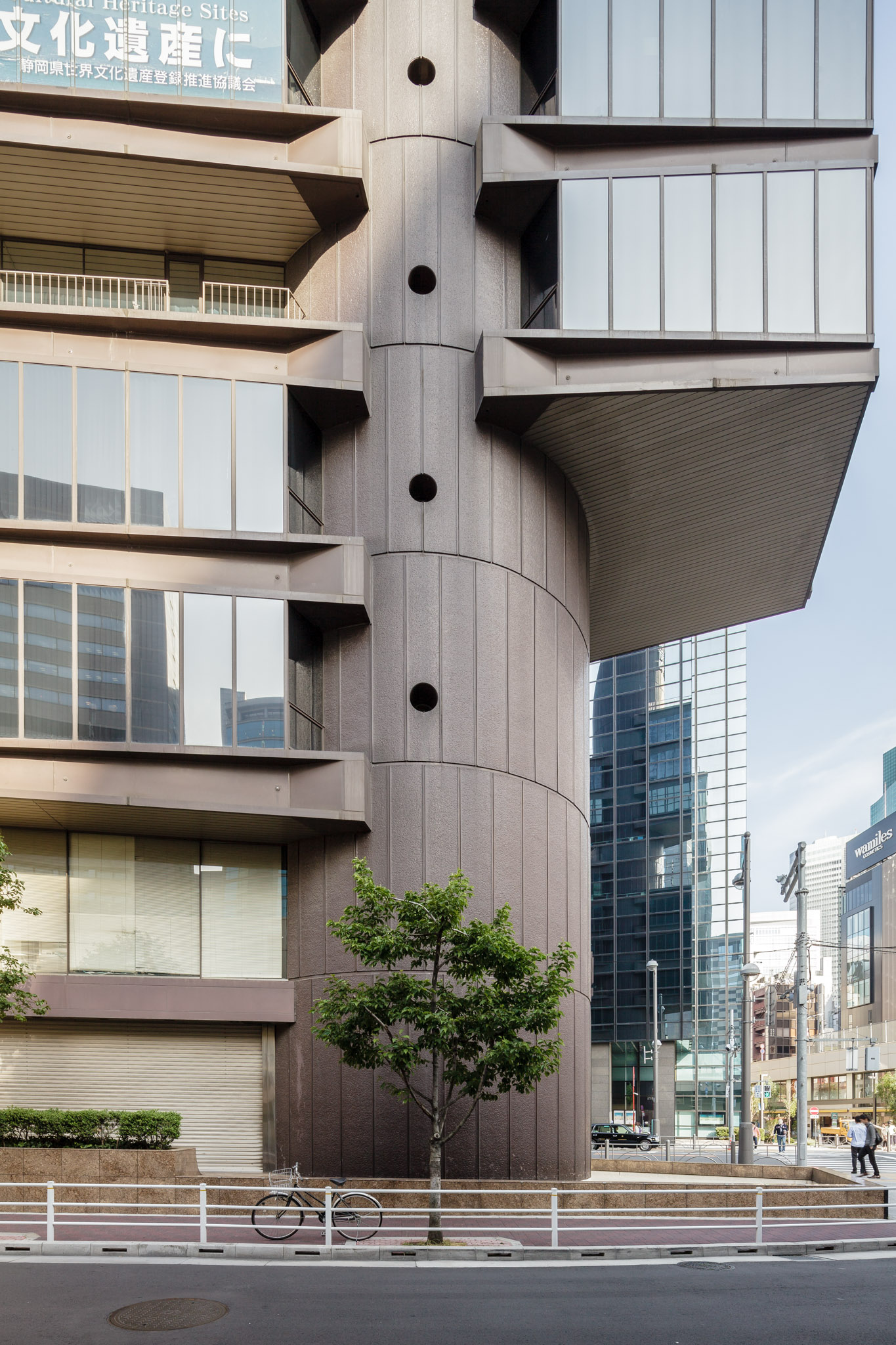
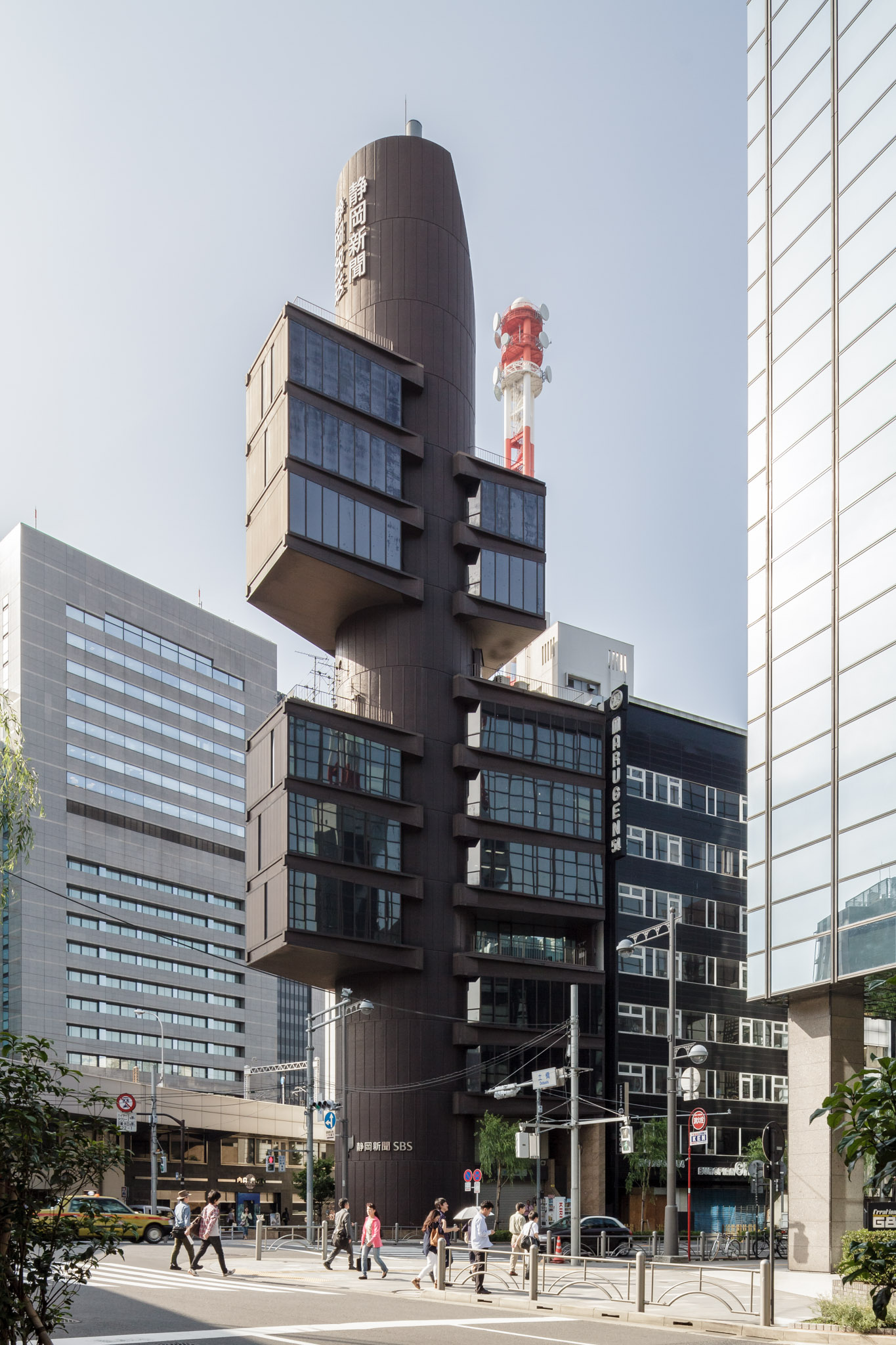
- Shizuoka Press and Broadcasting Center
- Shizuoka Press and Broadcasting Center
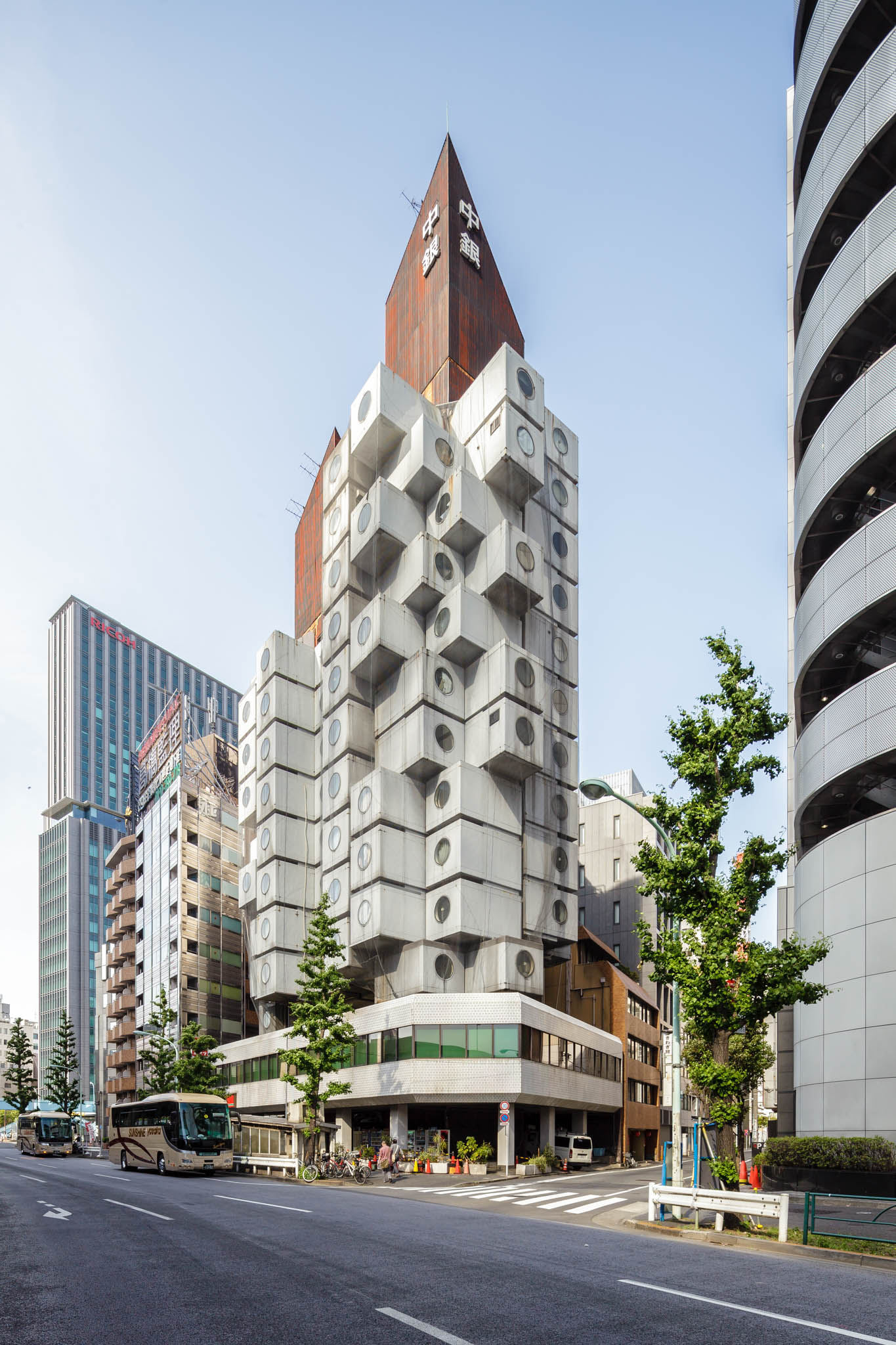
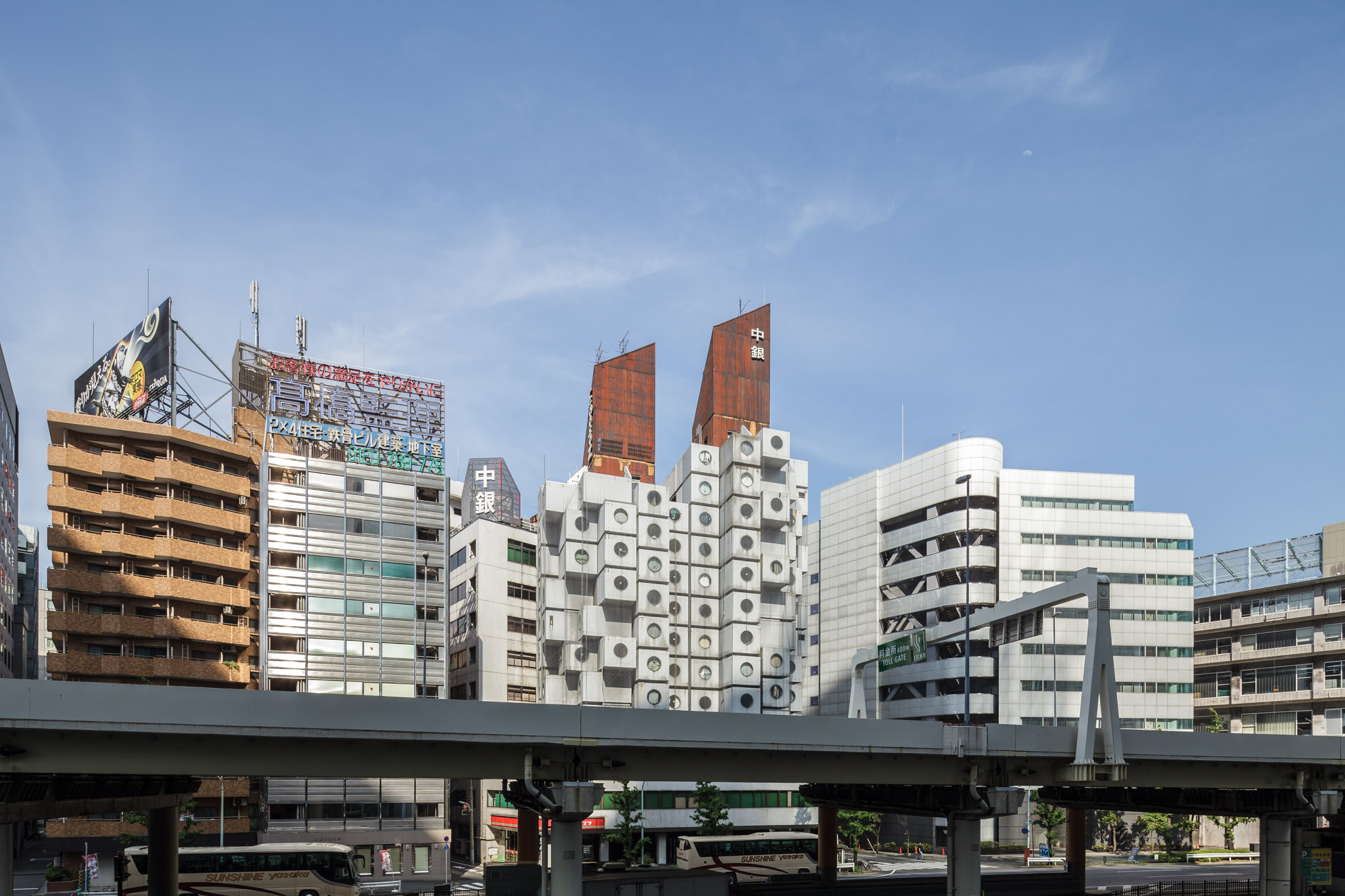
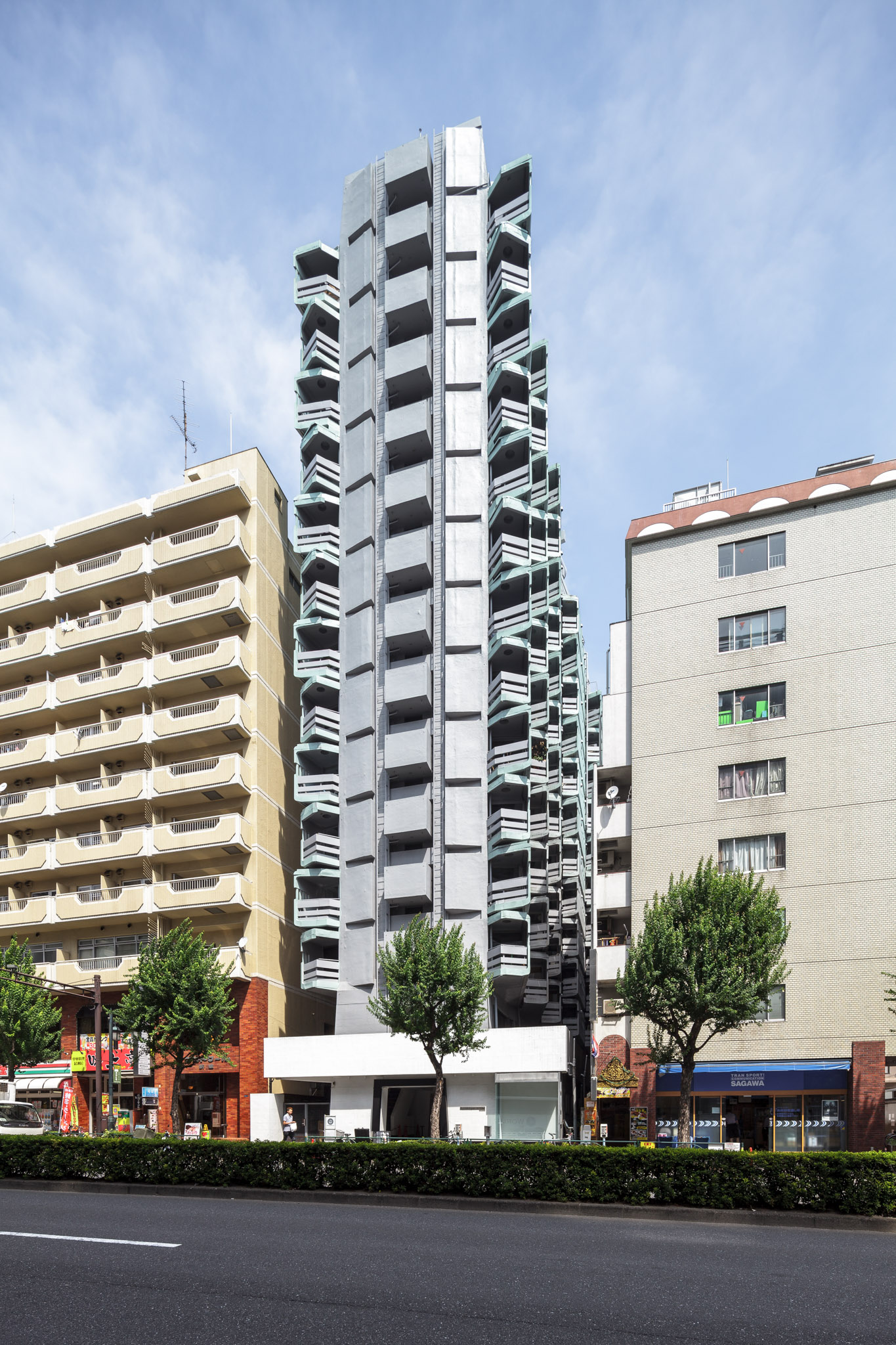
- Nakagin Capsule Tower
- Nakagin Capsule Tower
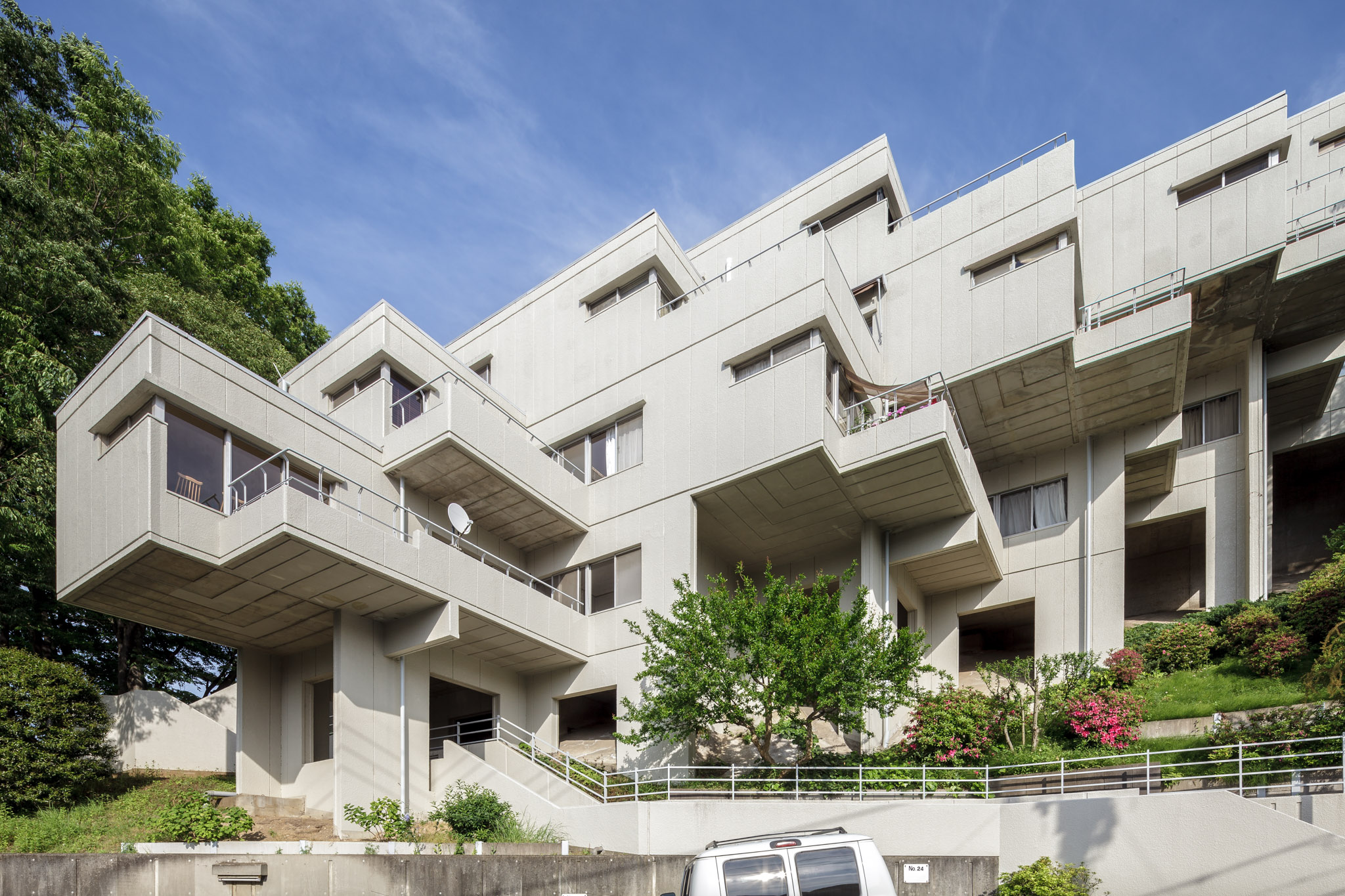
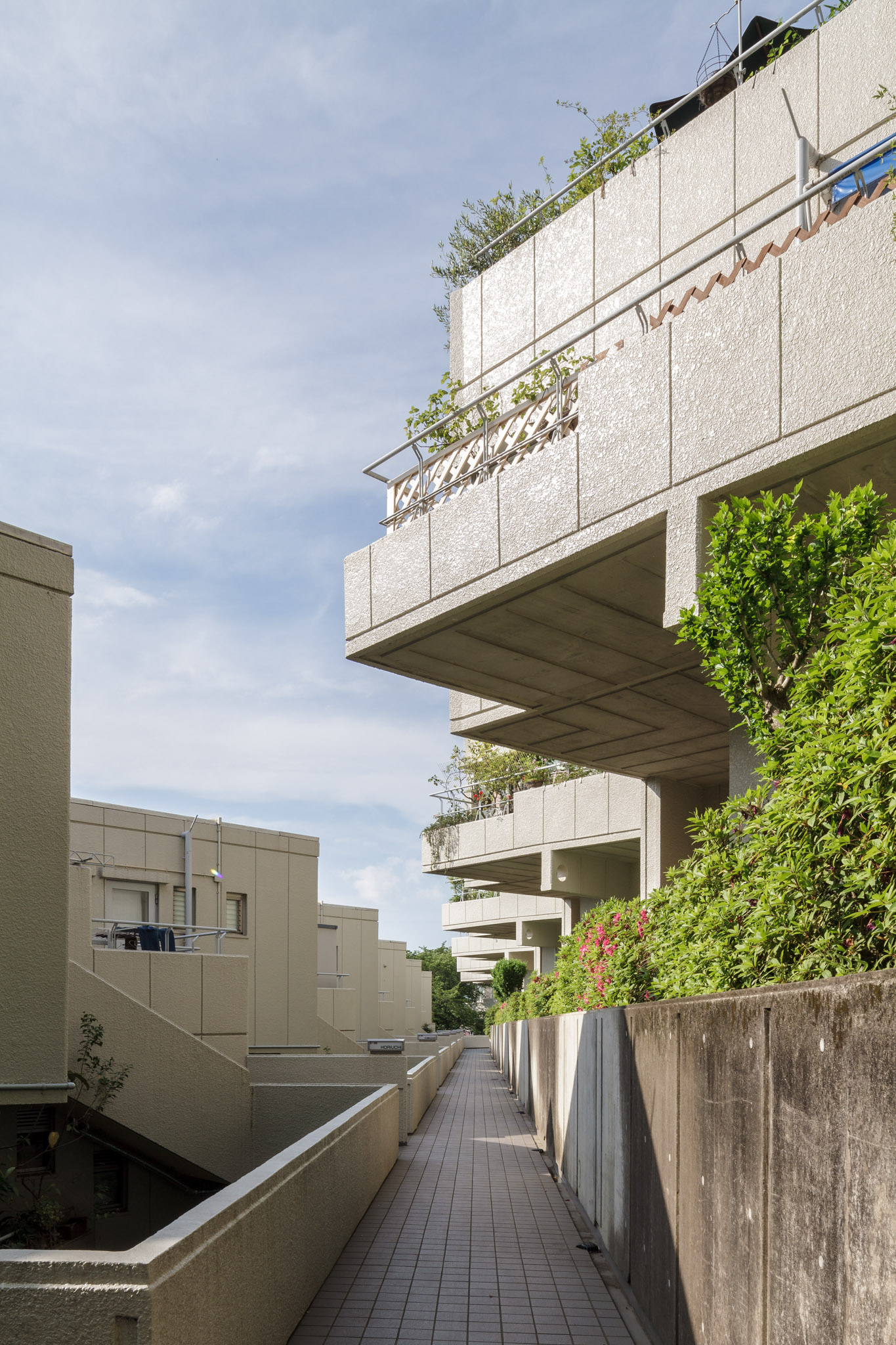
- Sakuradai Court Village
- Sakuradai Court Village
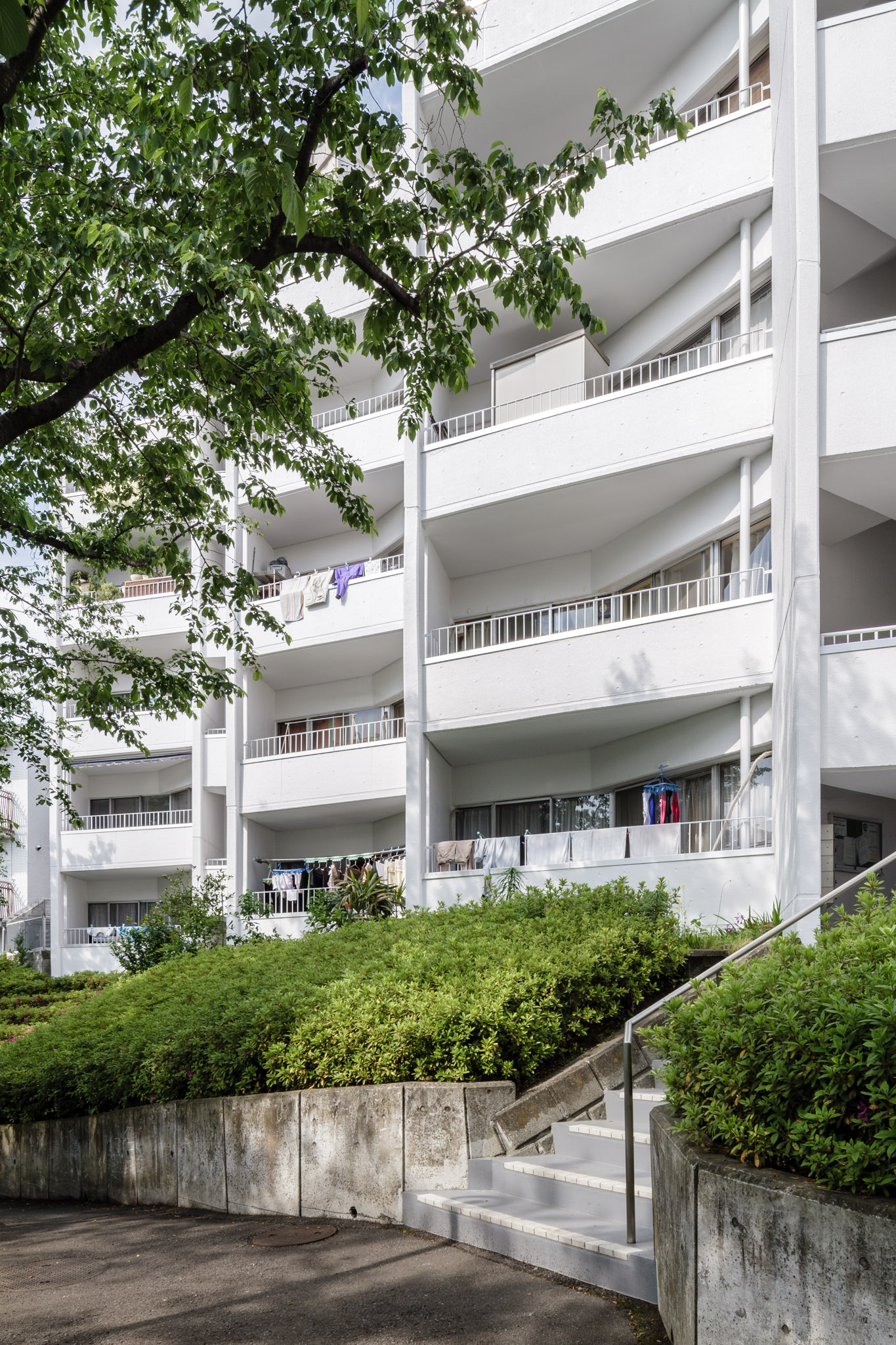
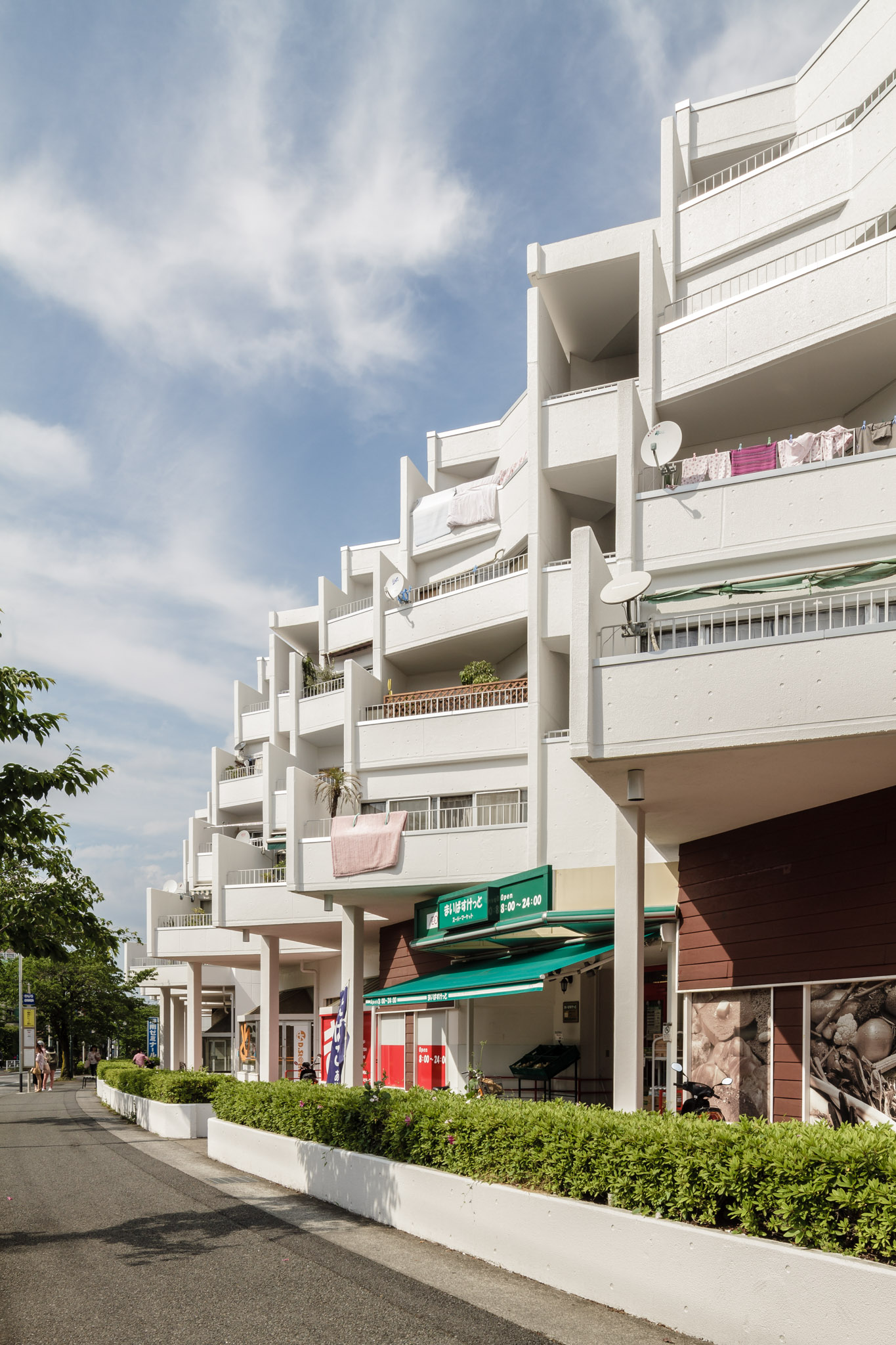
- Sakuradai Village
- Sakuradai Village
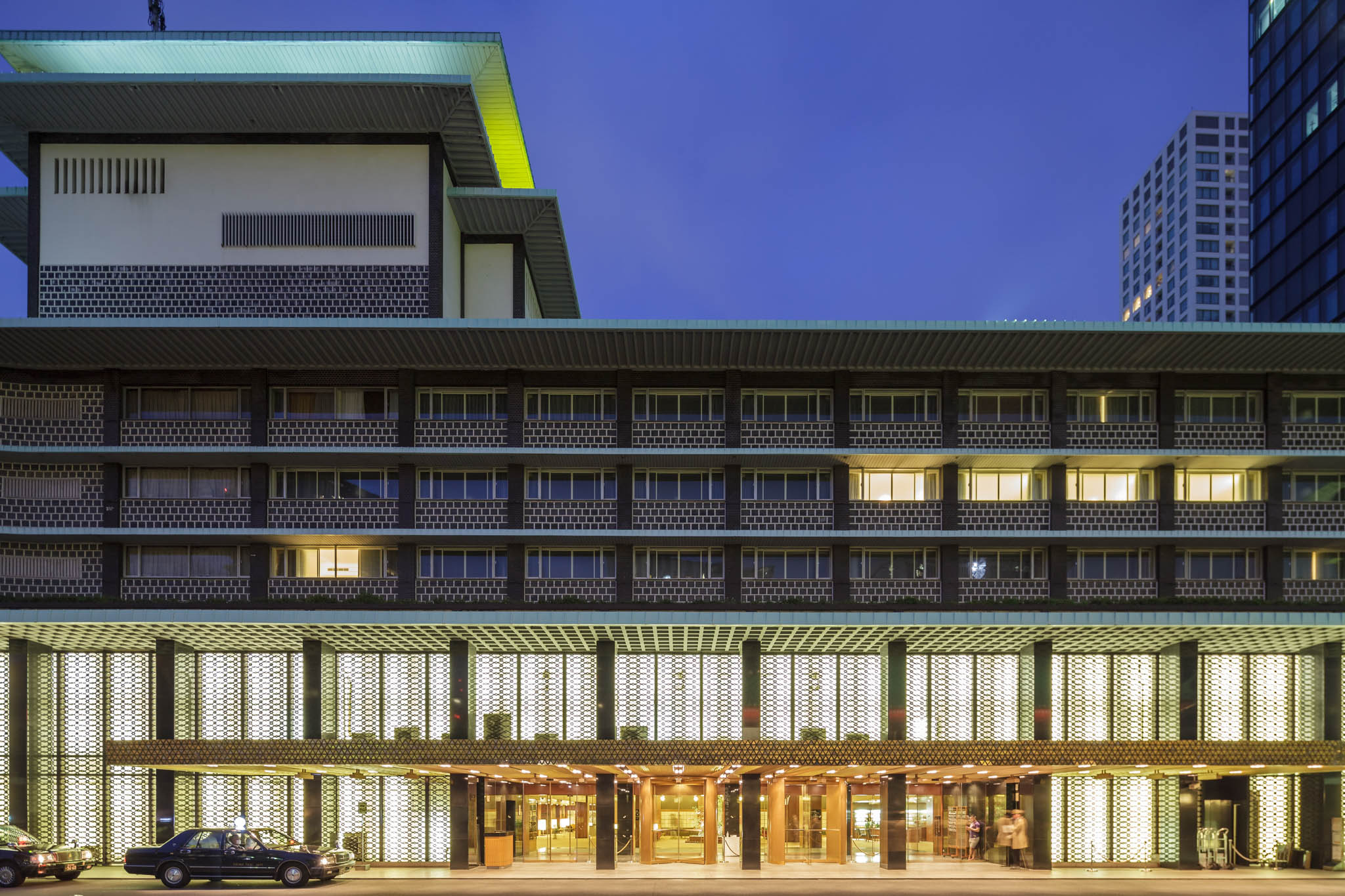
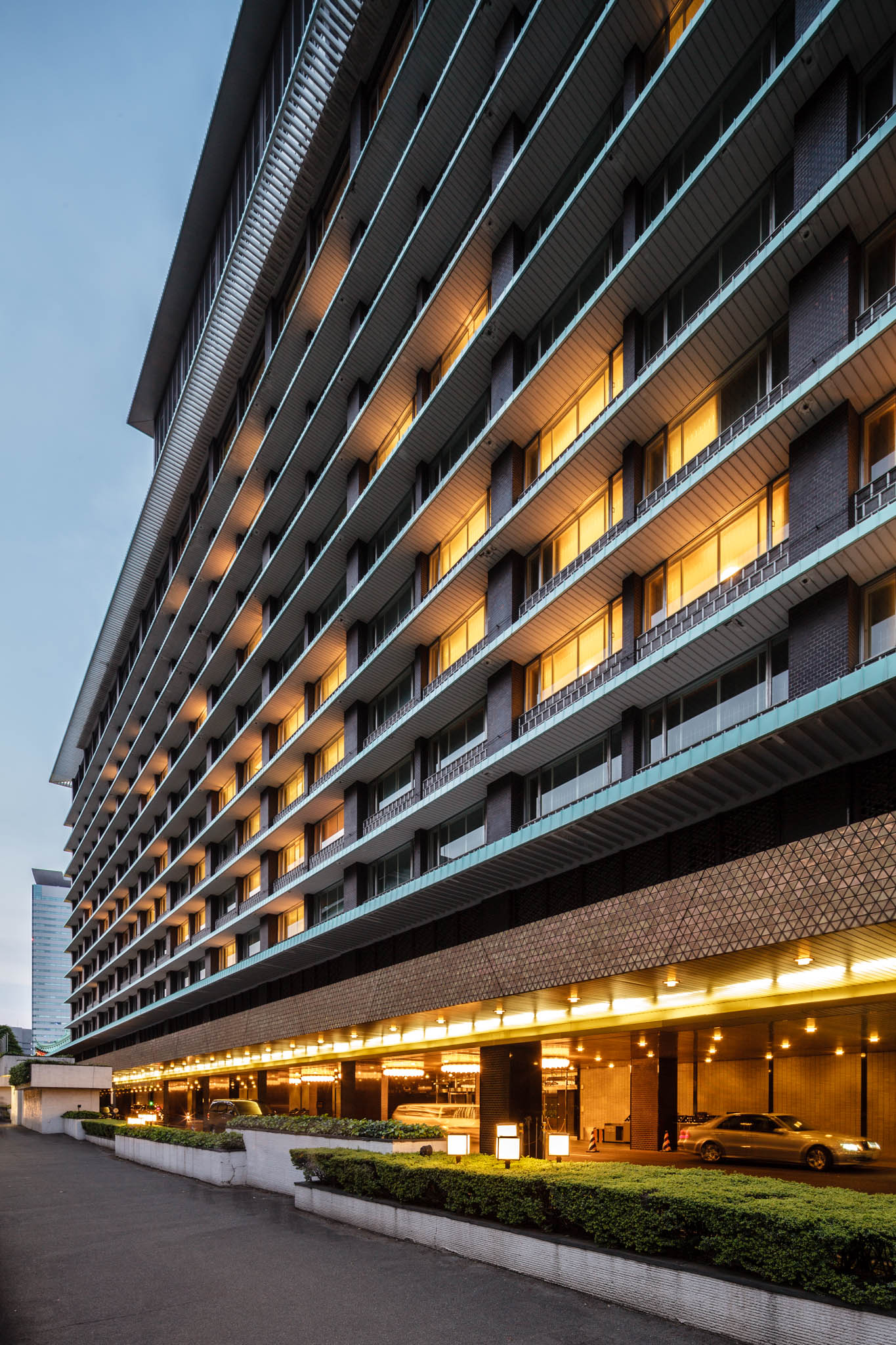
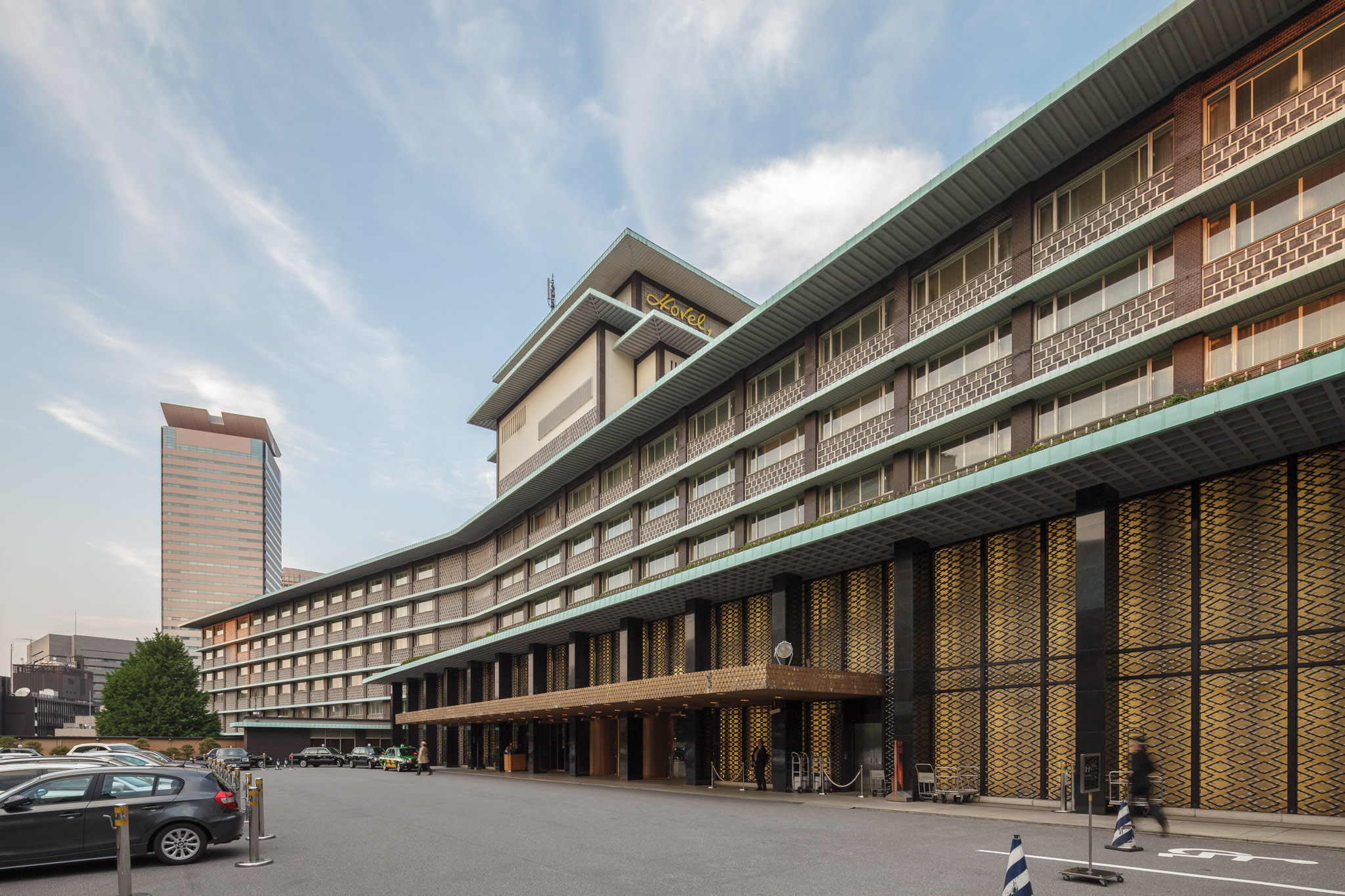
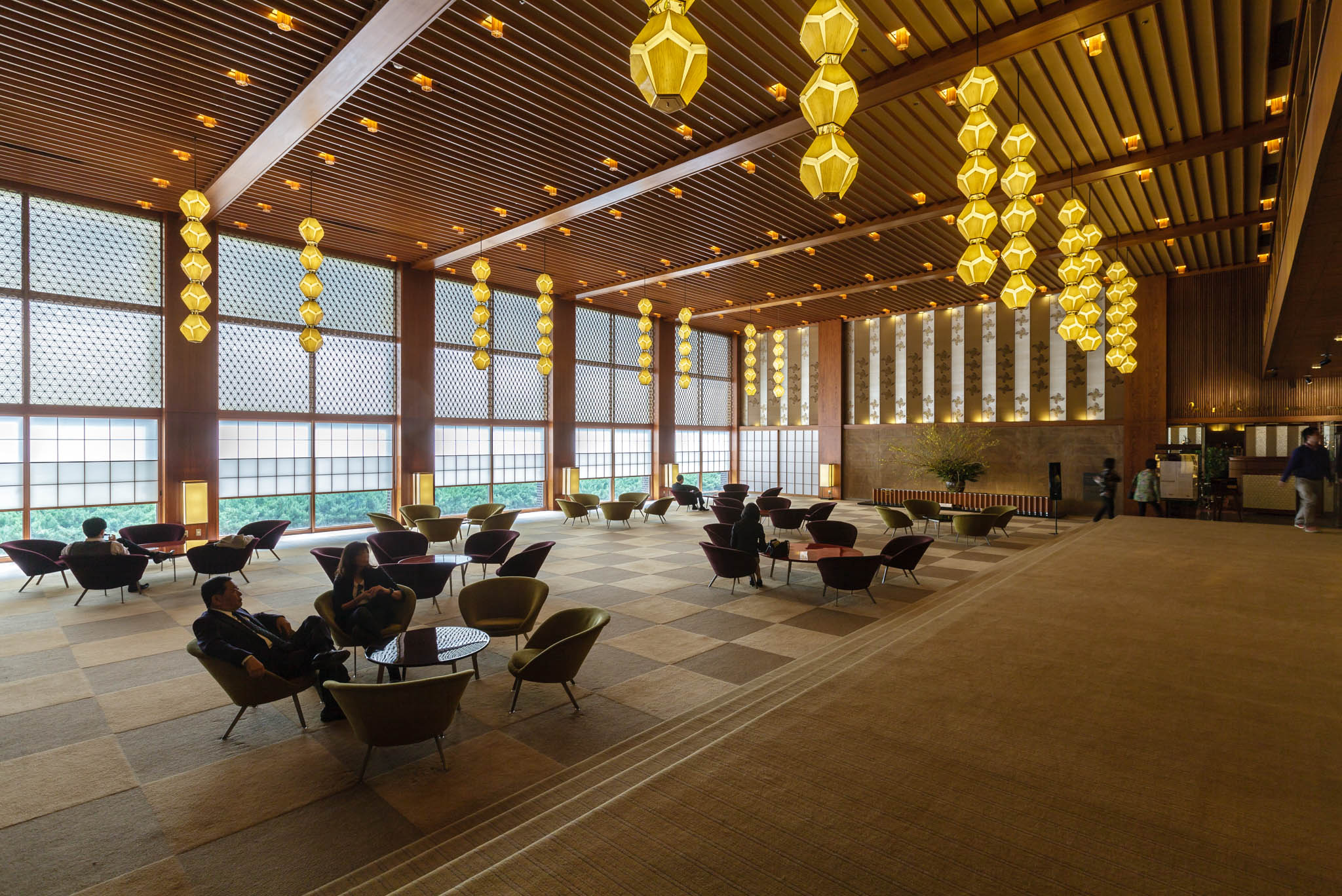
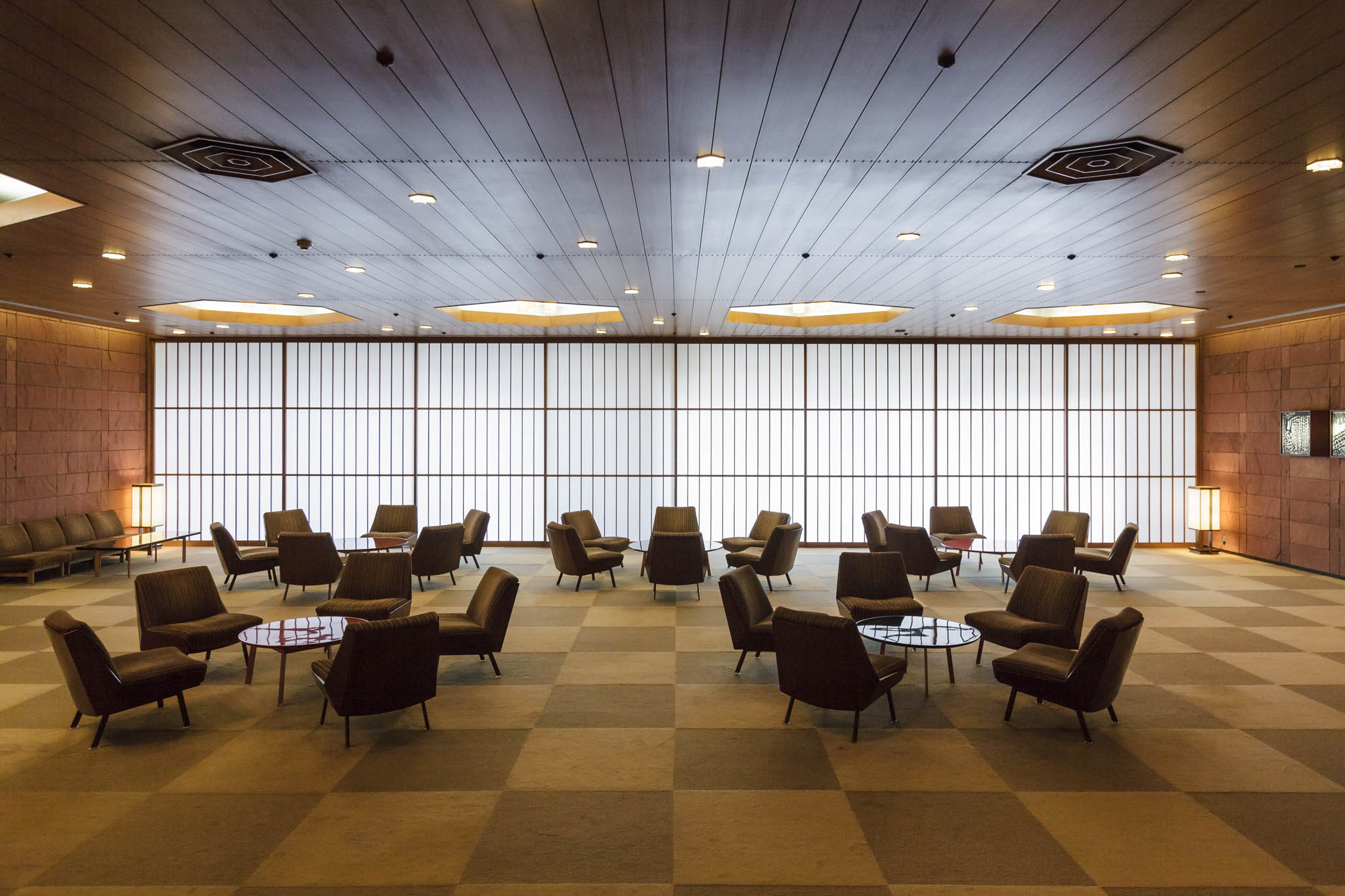
- Hotel Okura
- Hotel Okura
- Hotel Okura
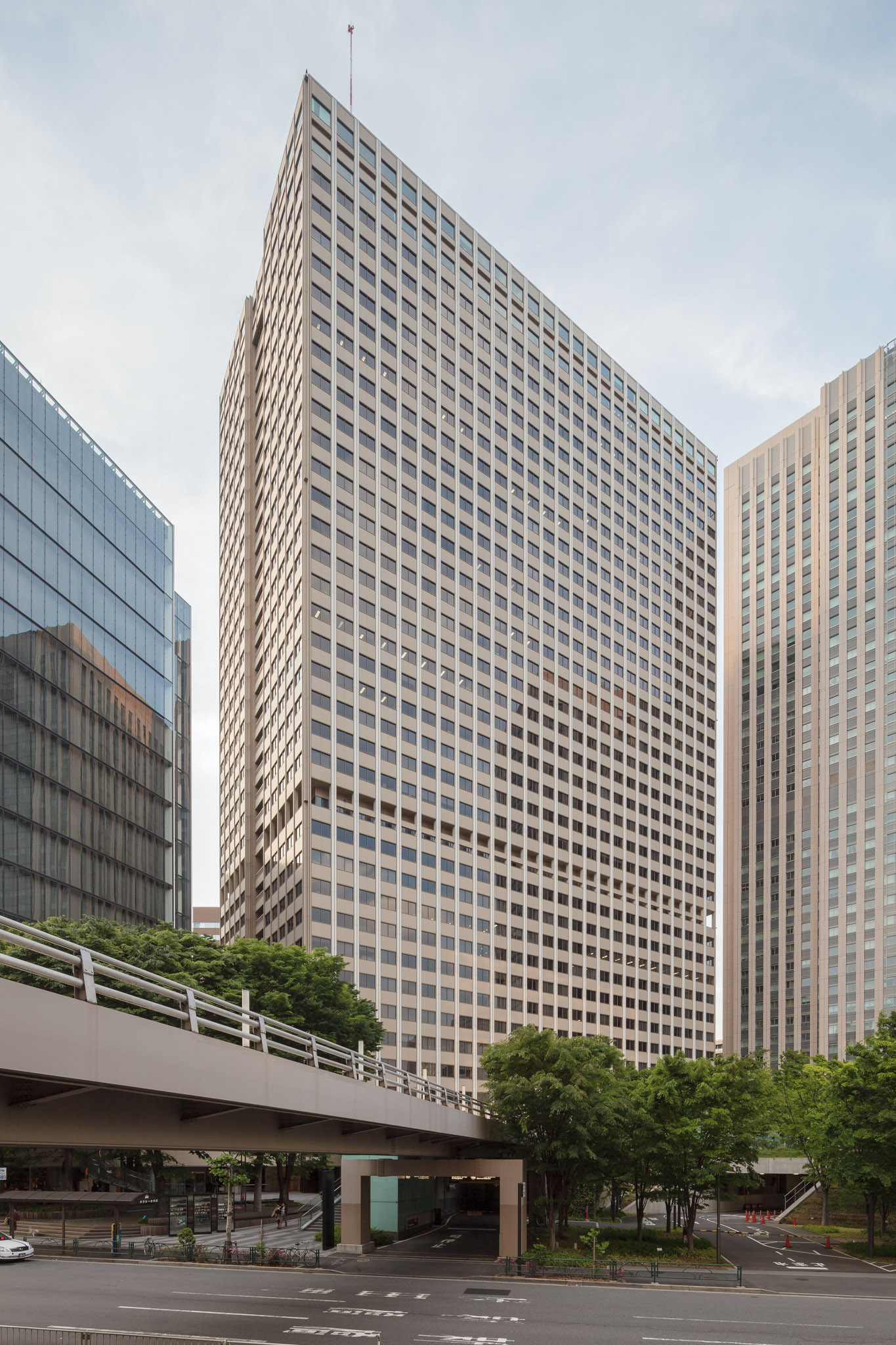
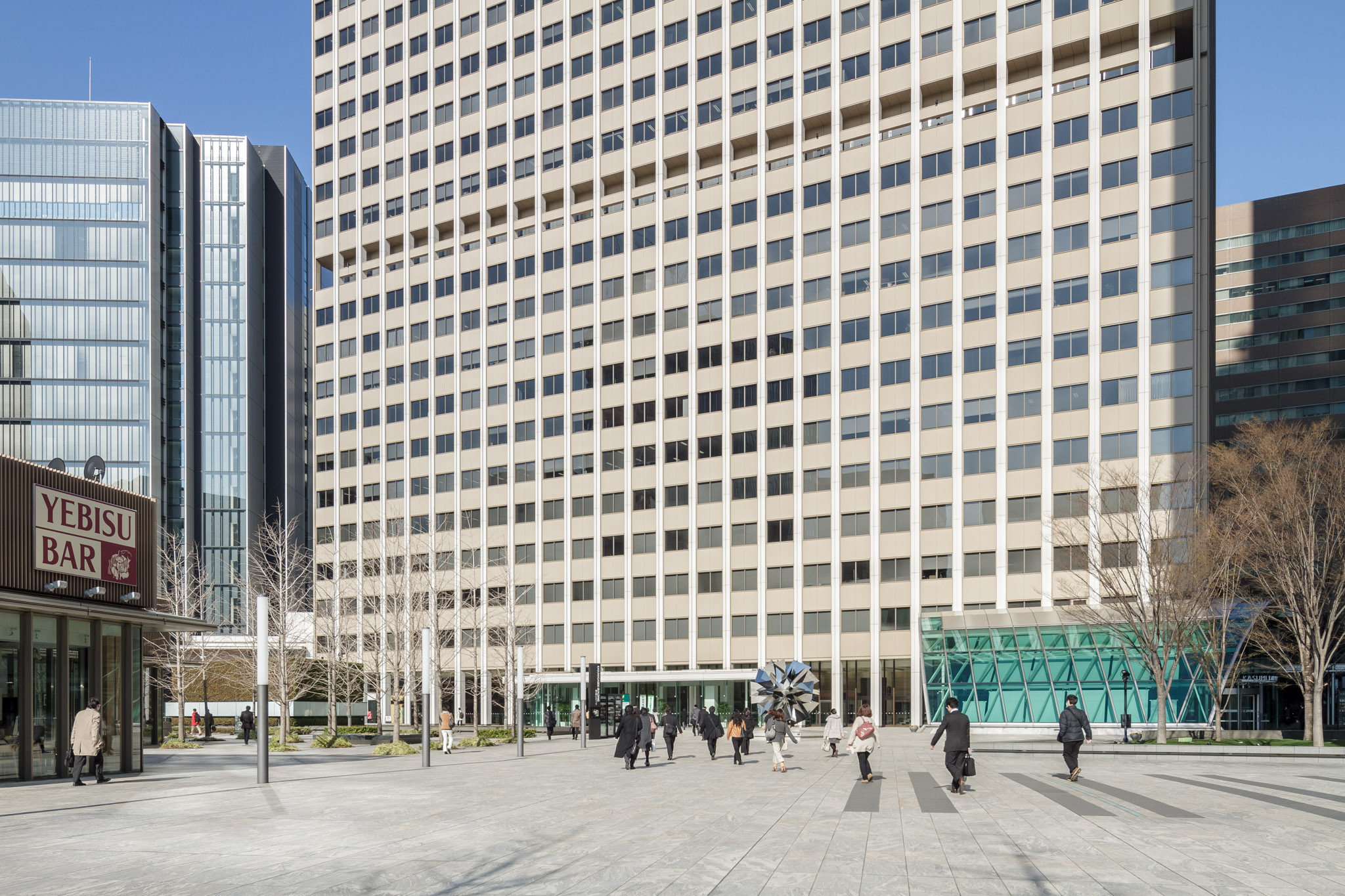
- Kasumigaseki Building
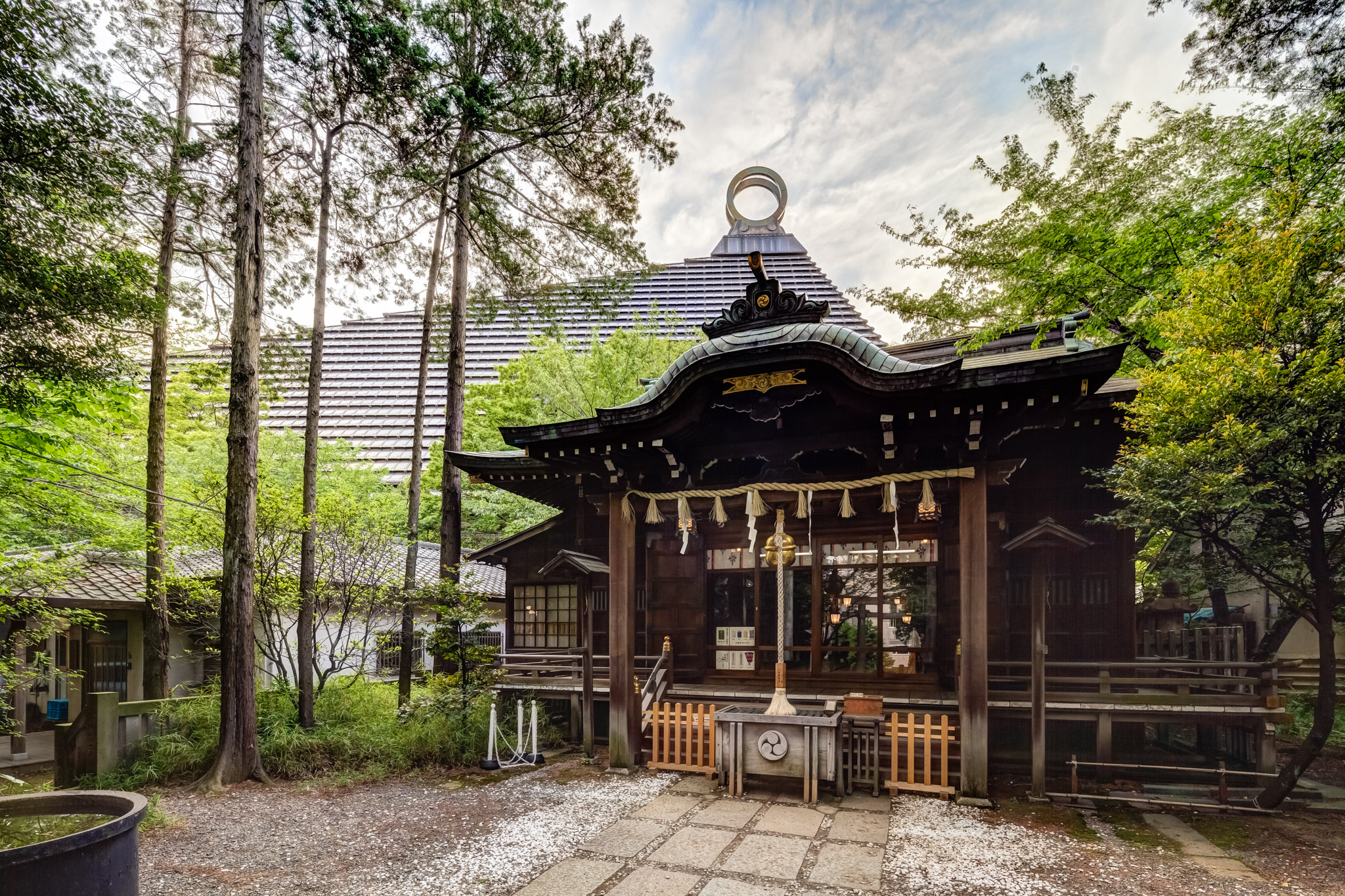
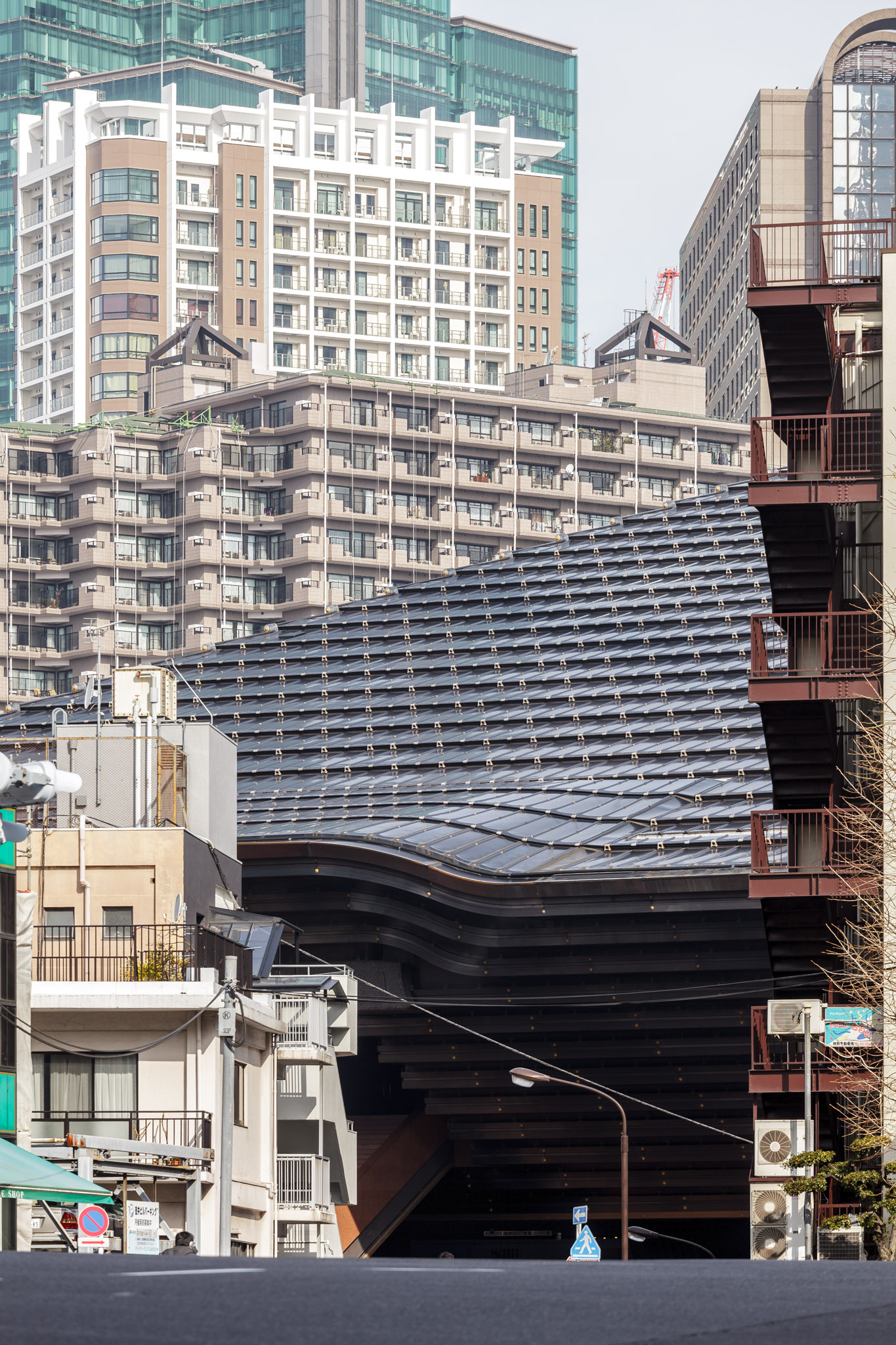
- Reiyukai Shakaden Temple
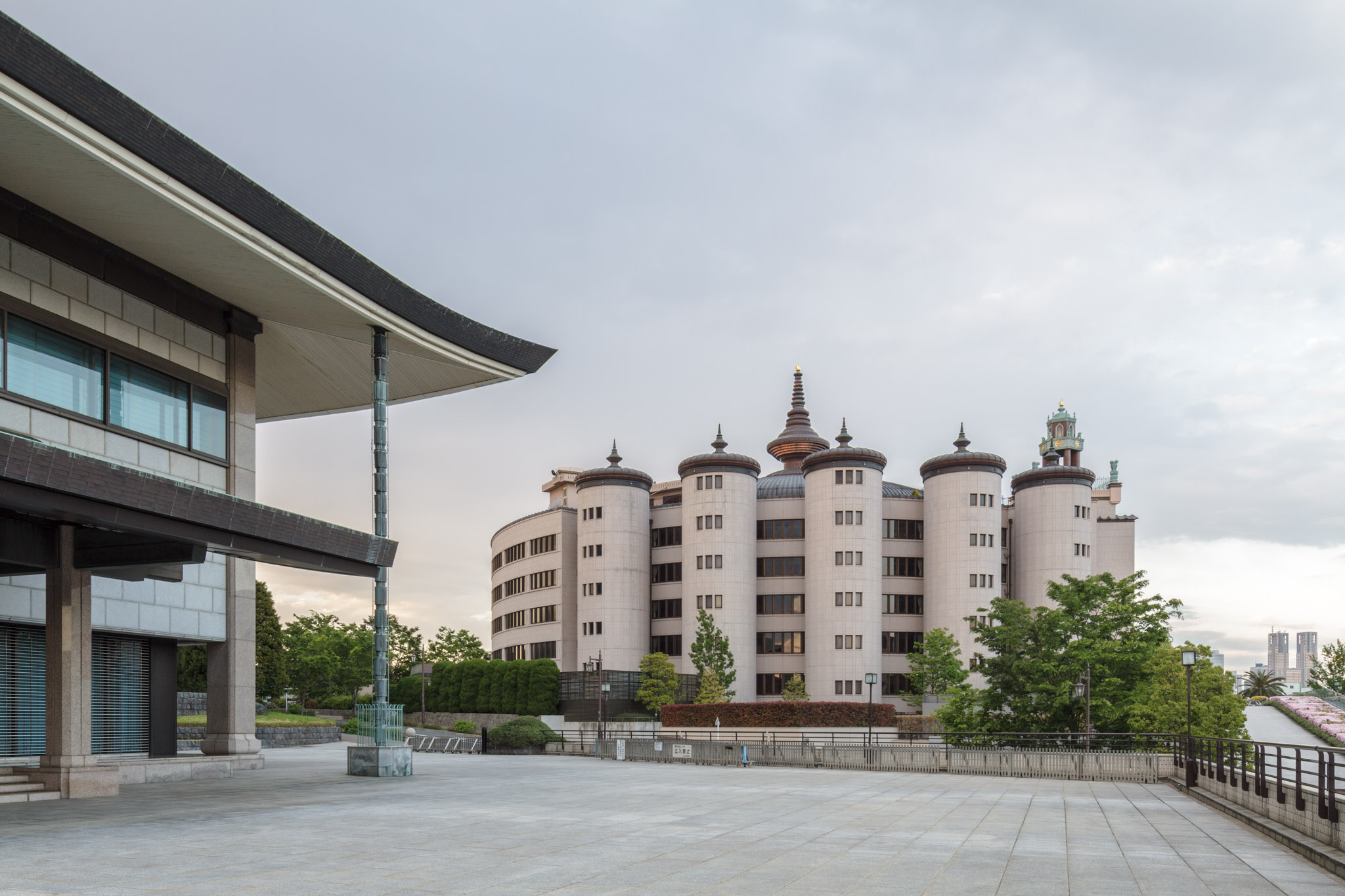
- Rissho Kouseikai Great Sacred Hall
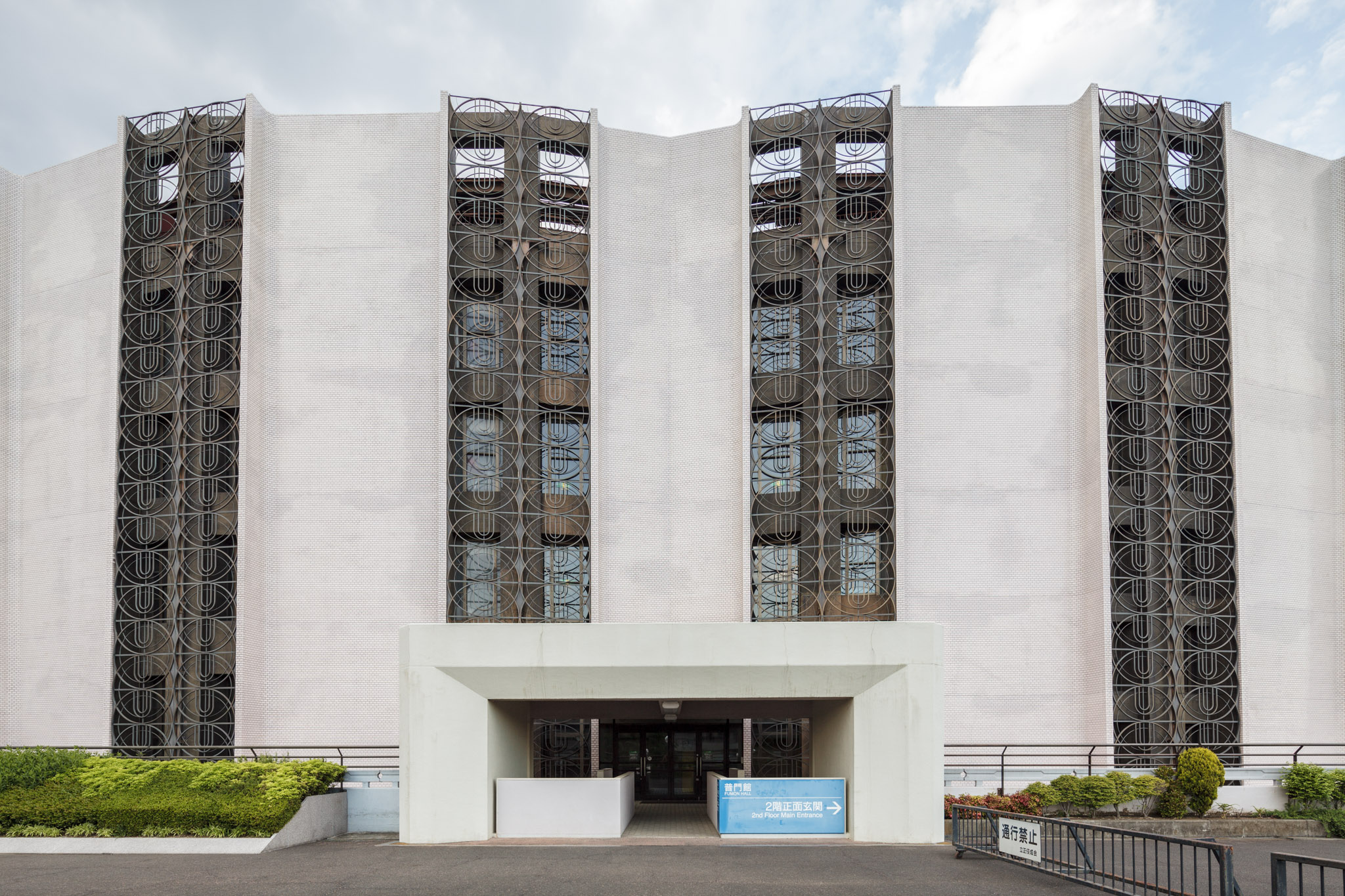
- Rissho Kouseikai Fumon Hall
- Hotel Okura
- Hotel Okura
- Kasumigaseki Building
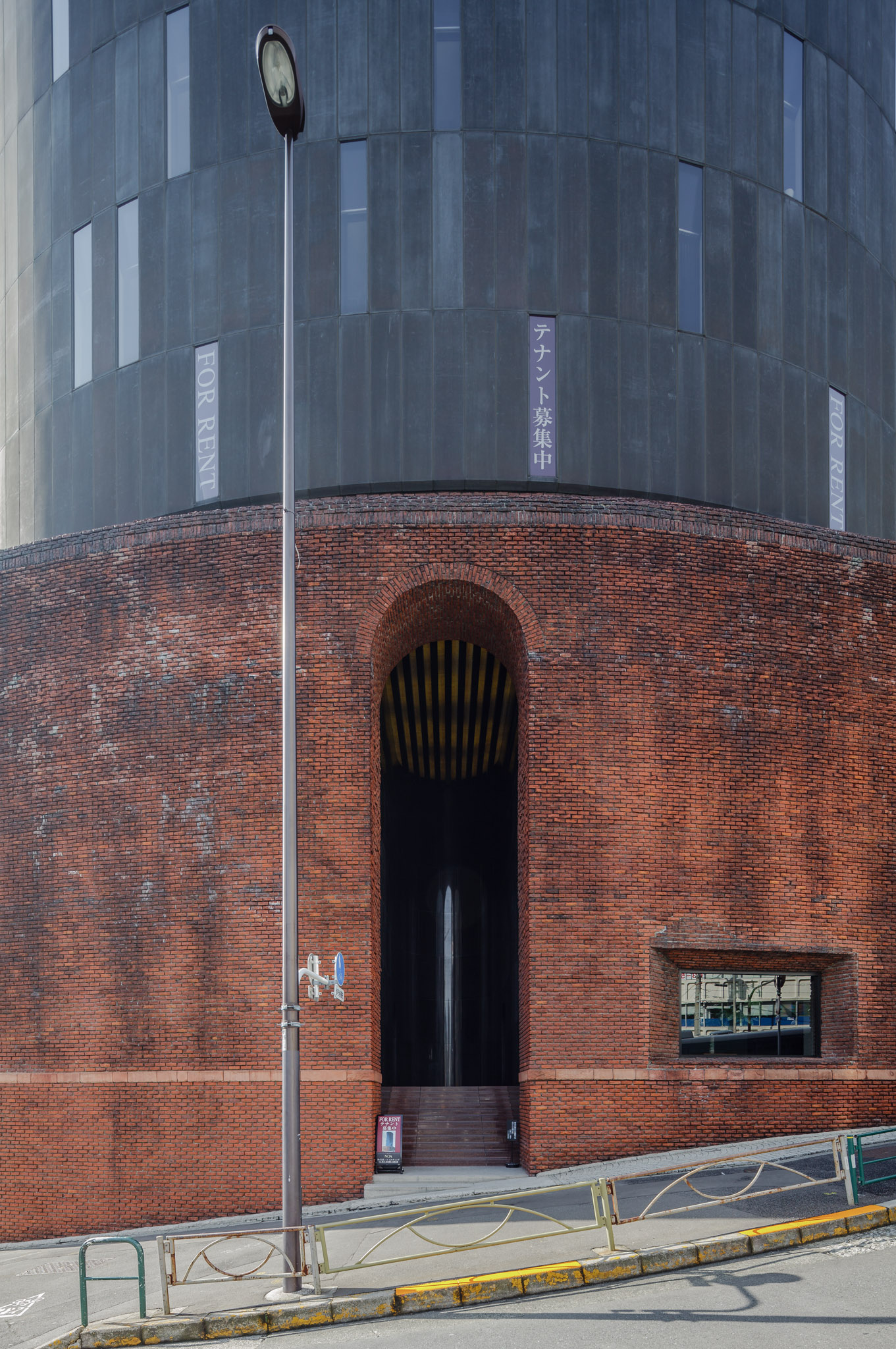
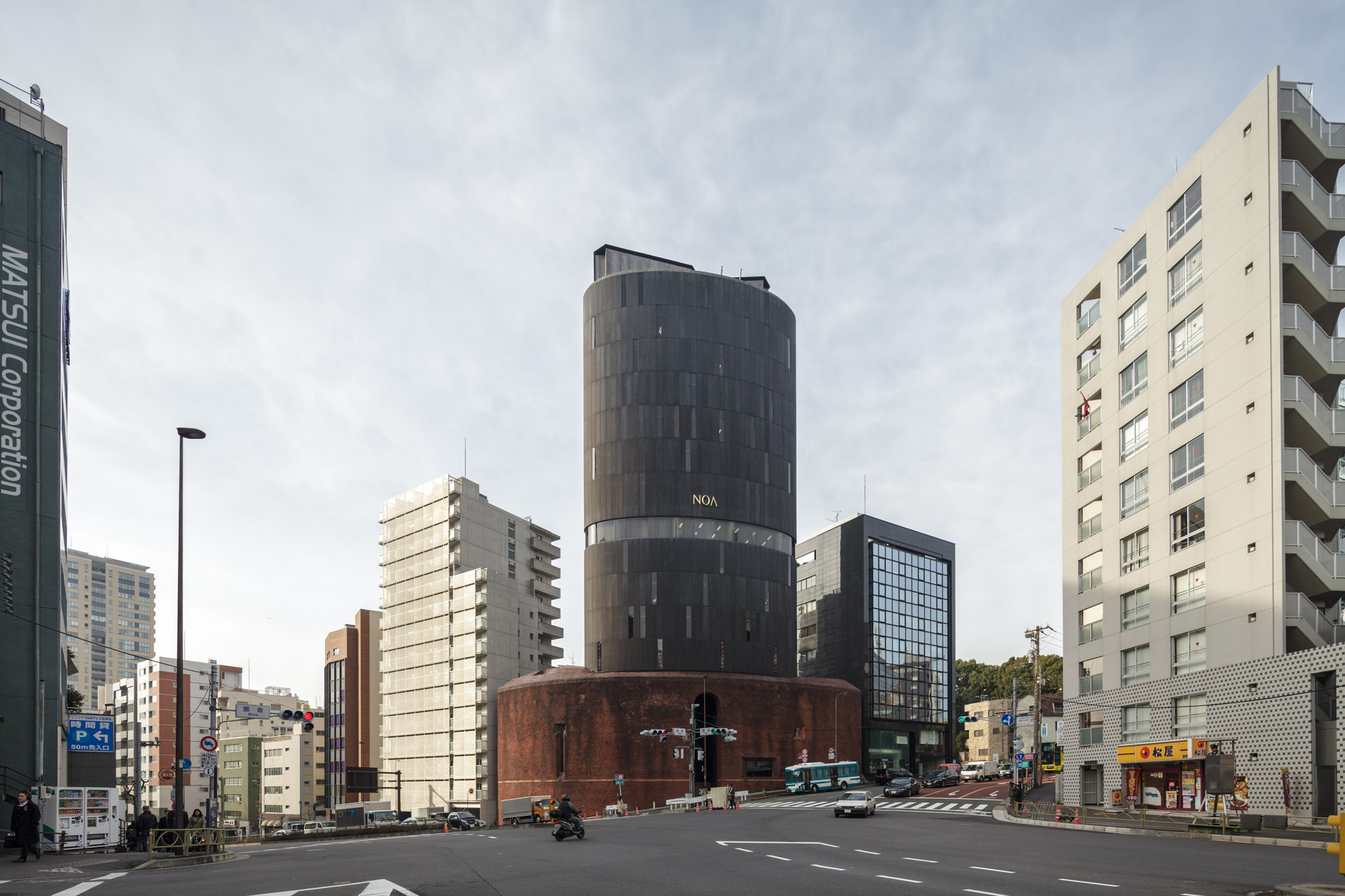
- NOA building
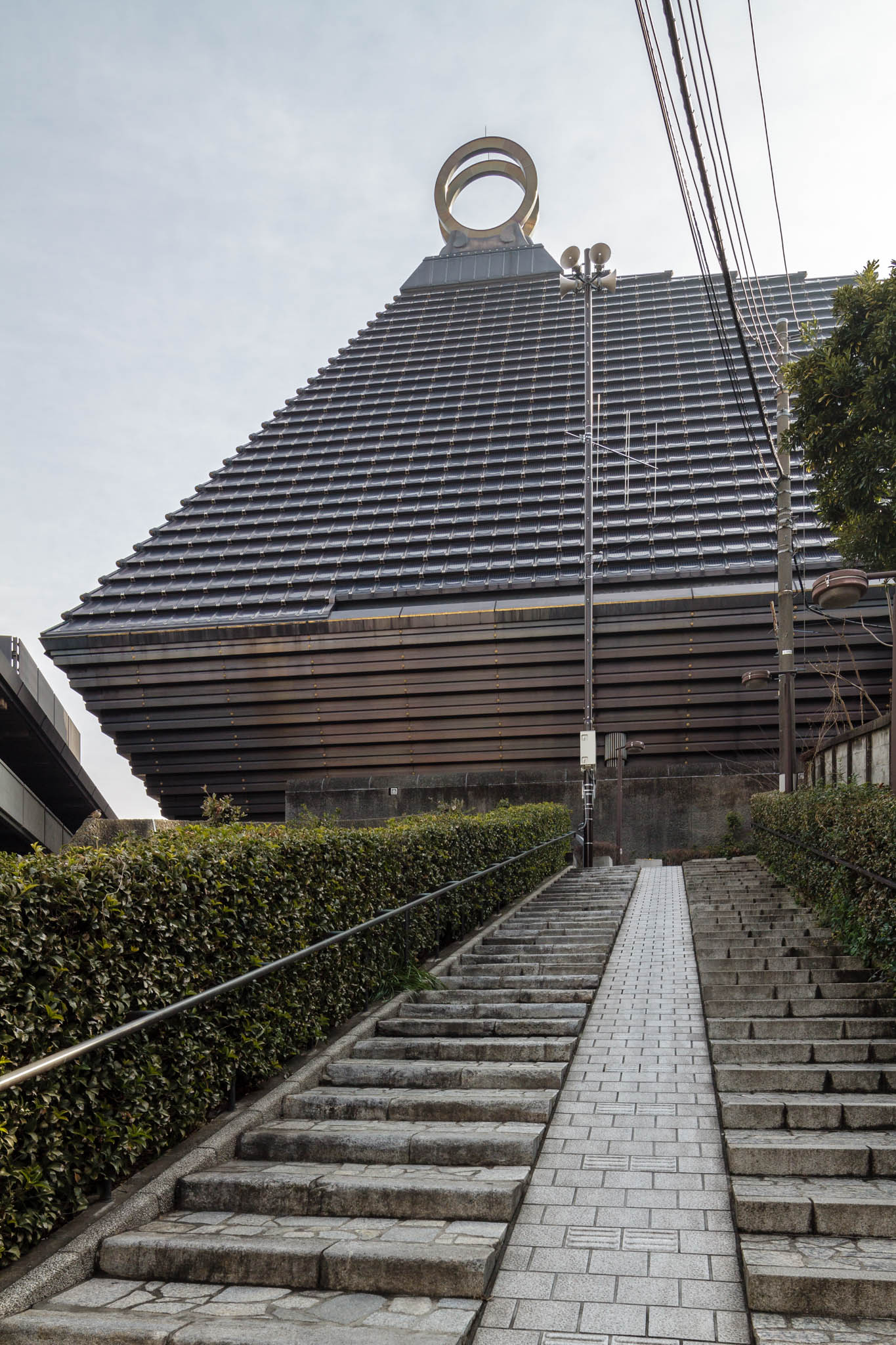
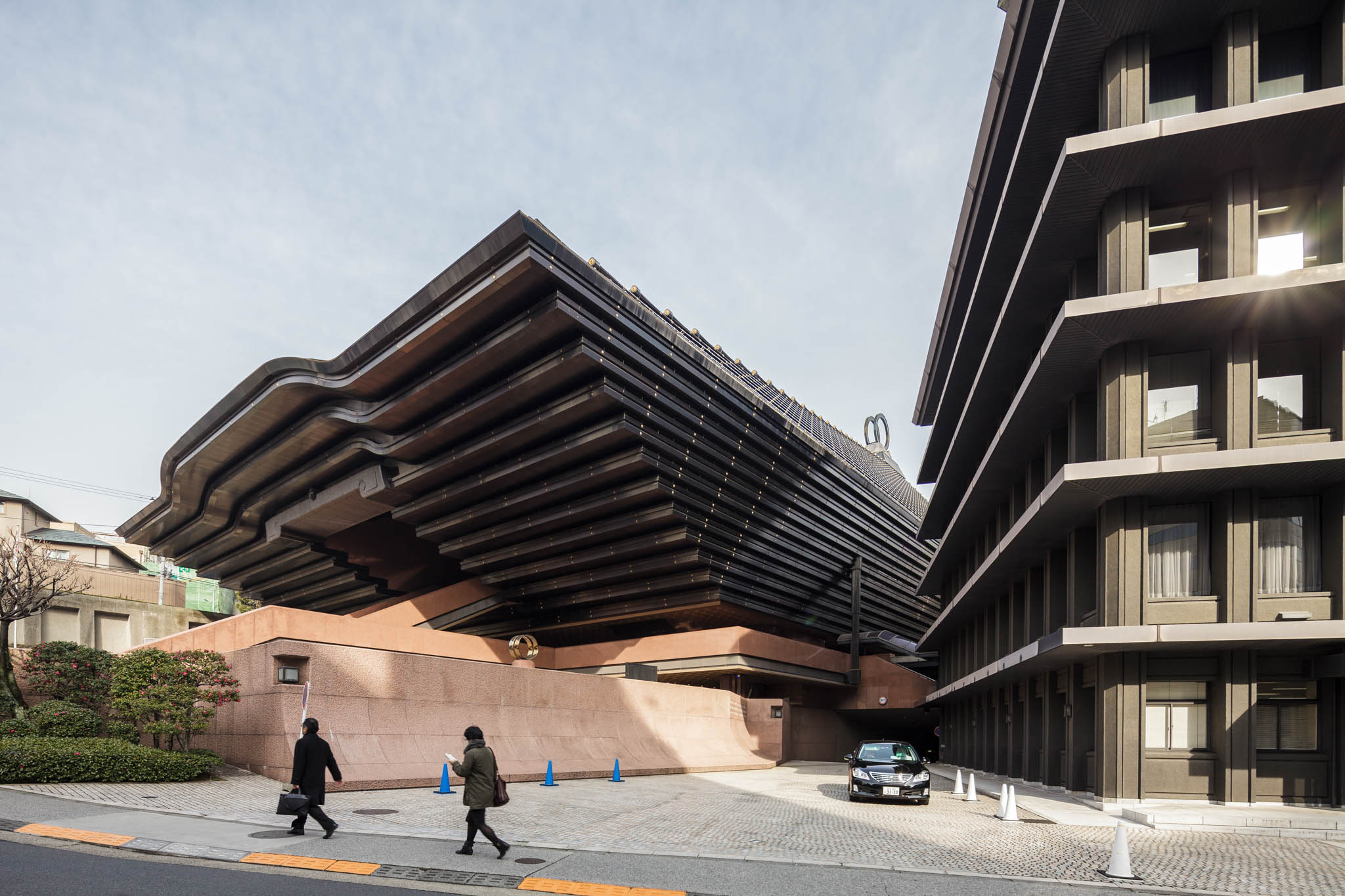
- Reiyukai Shakaden Temple
- Reiyukai Shakaden Temple
- street view
- entrance
- Reiyukai Shakaden Temple
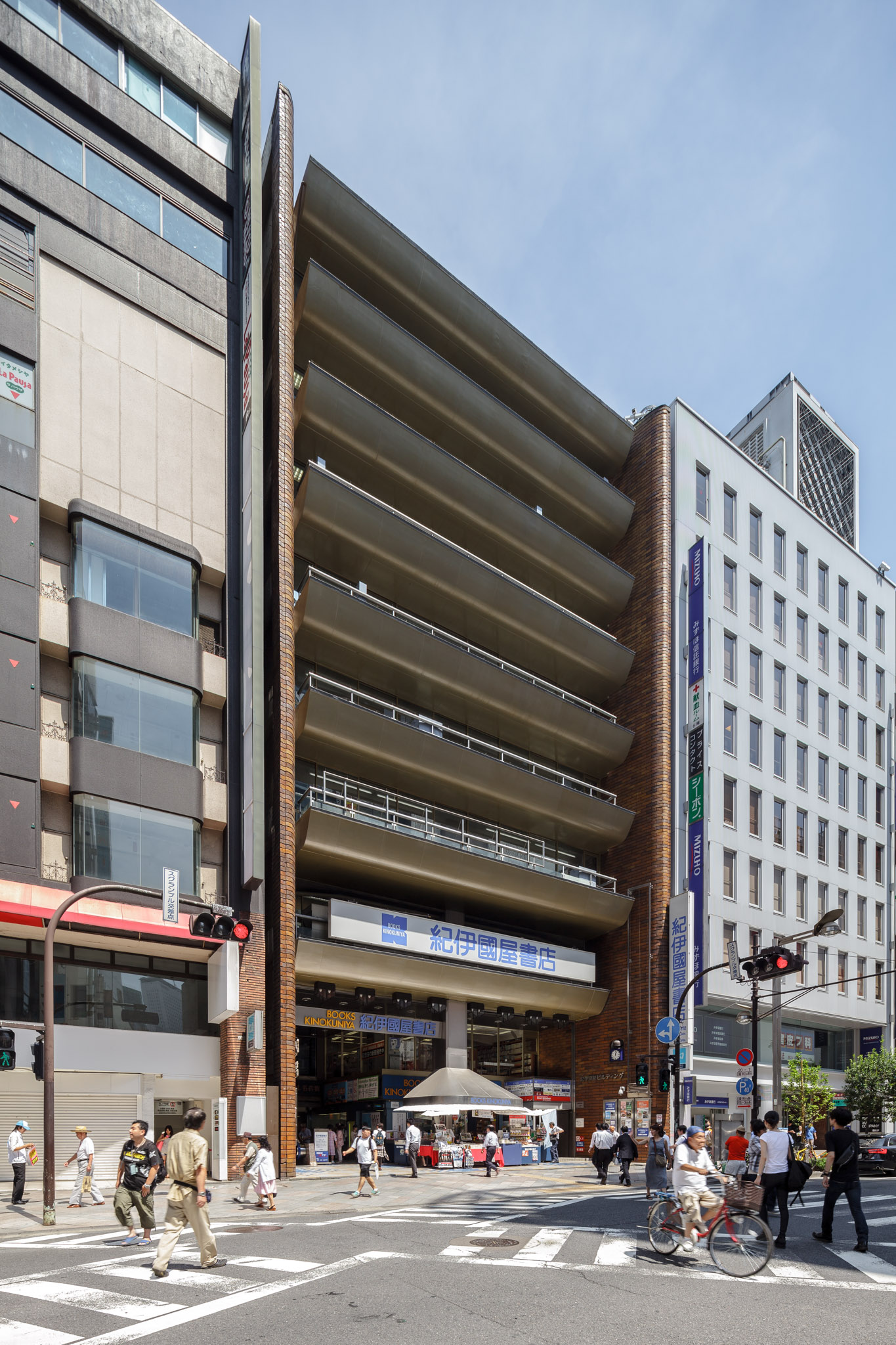
- Kinokuniya
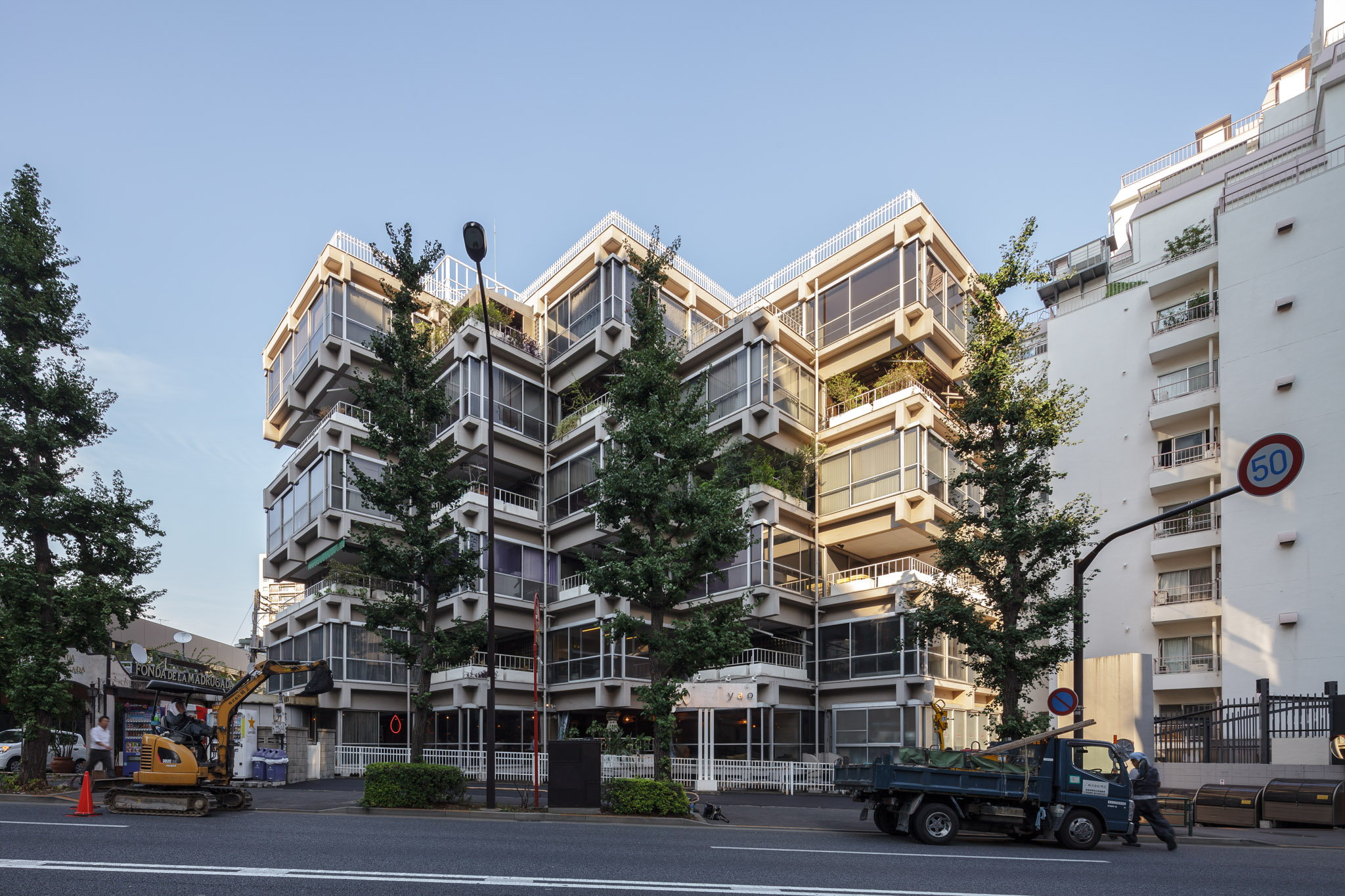
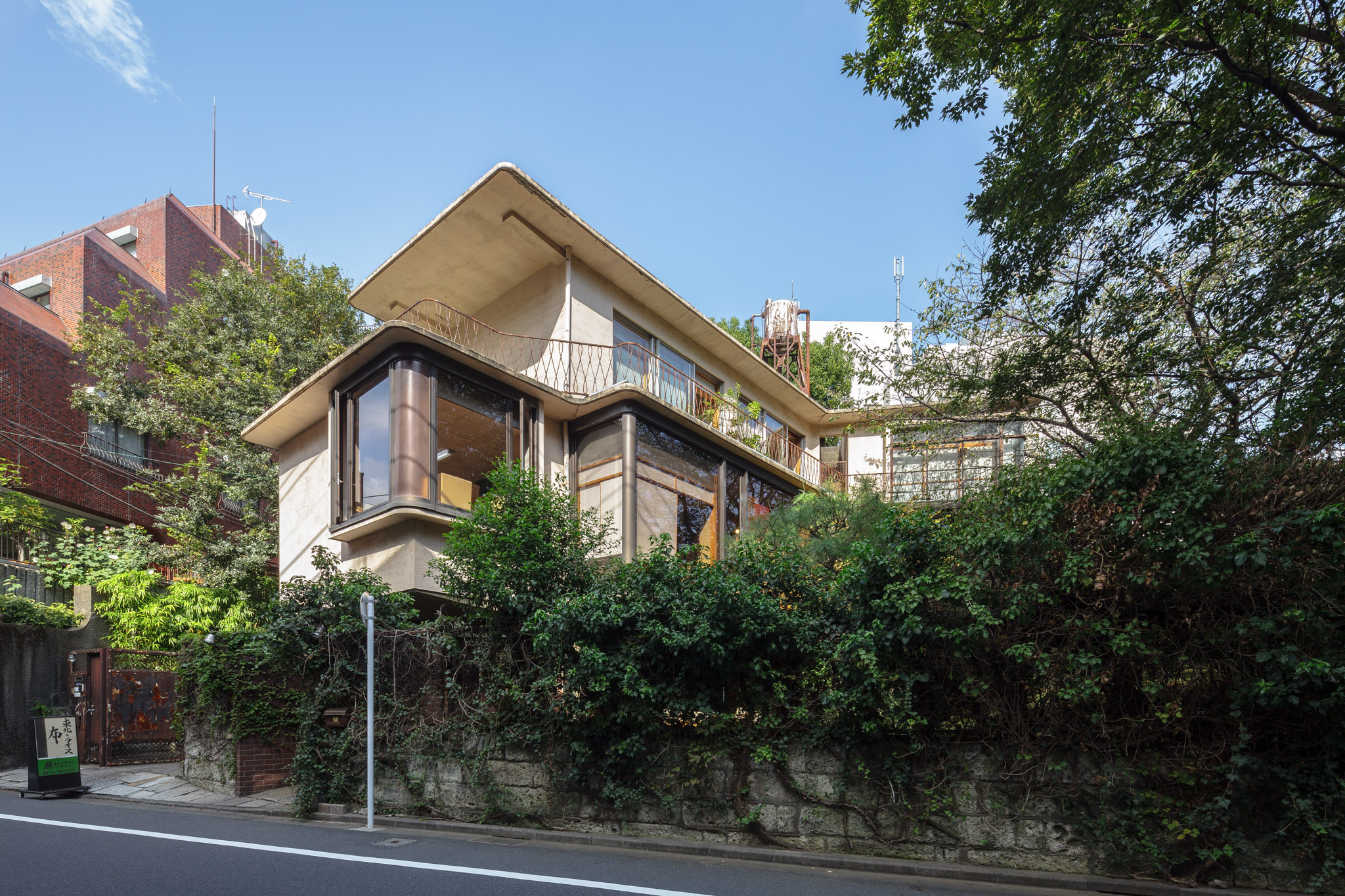
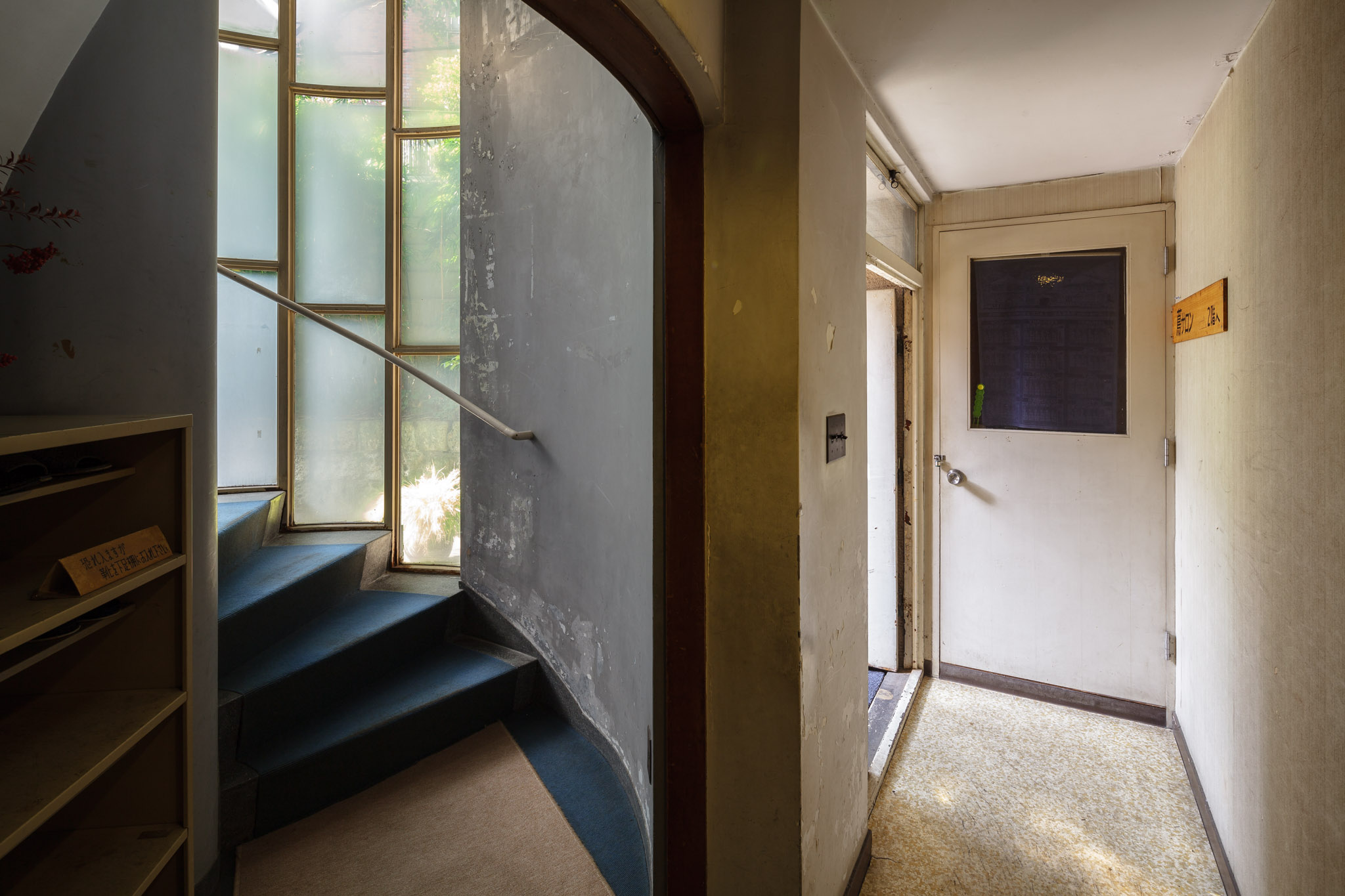
- Villa Bianca
- NOA building
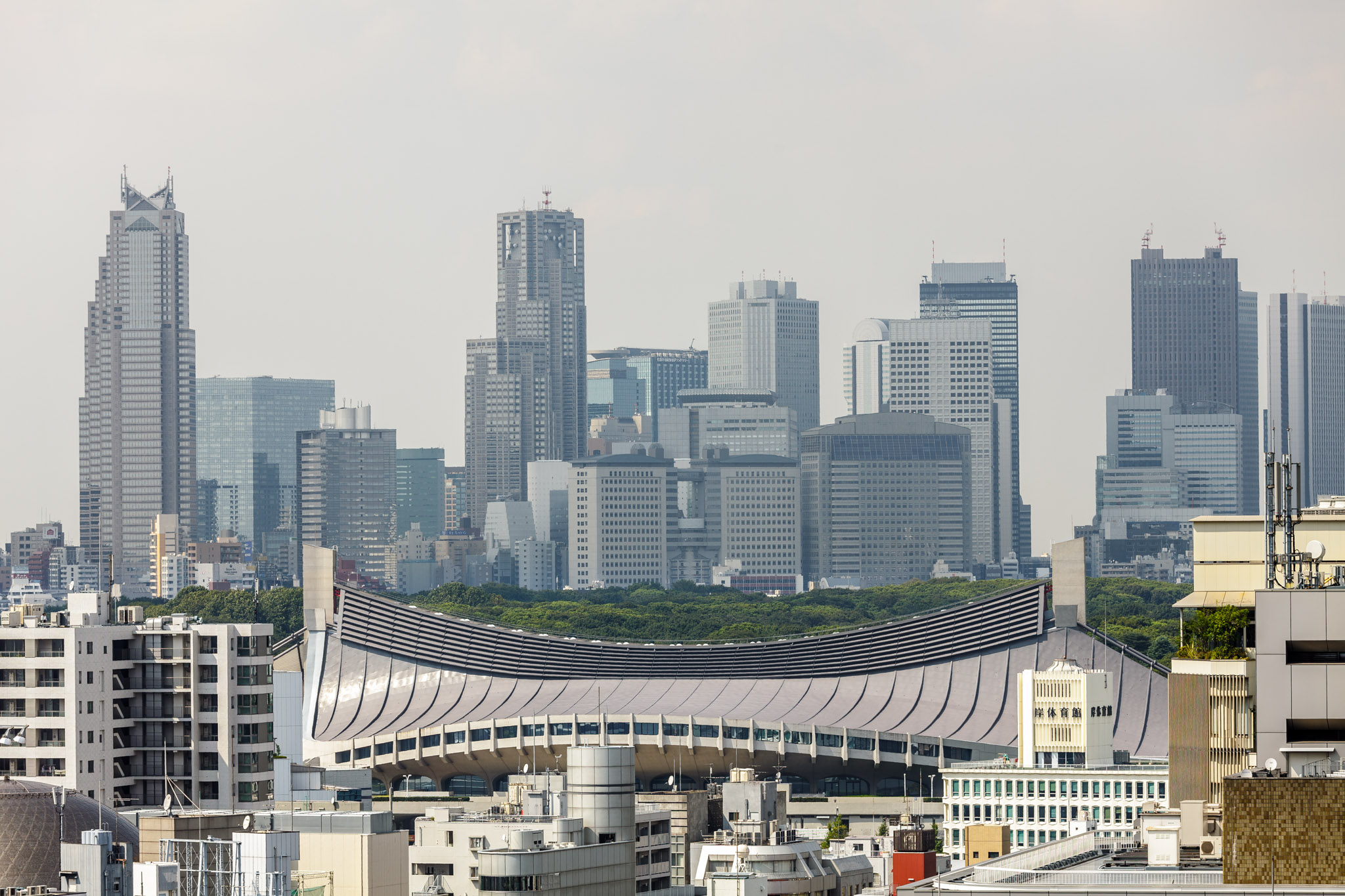
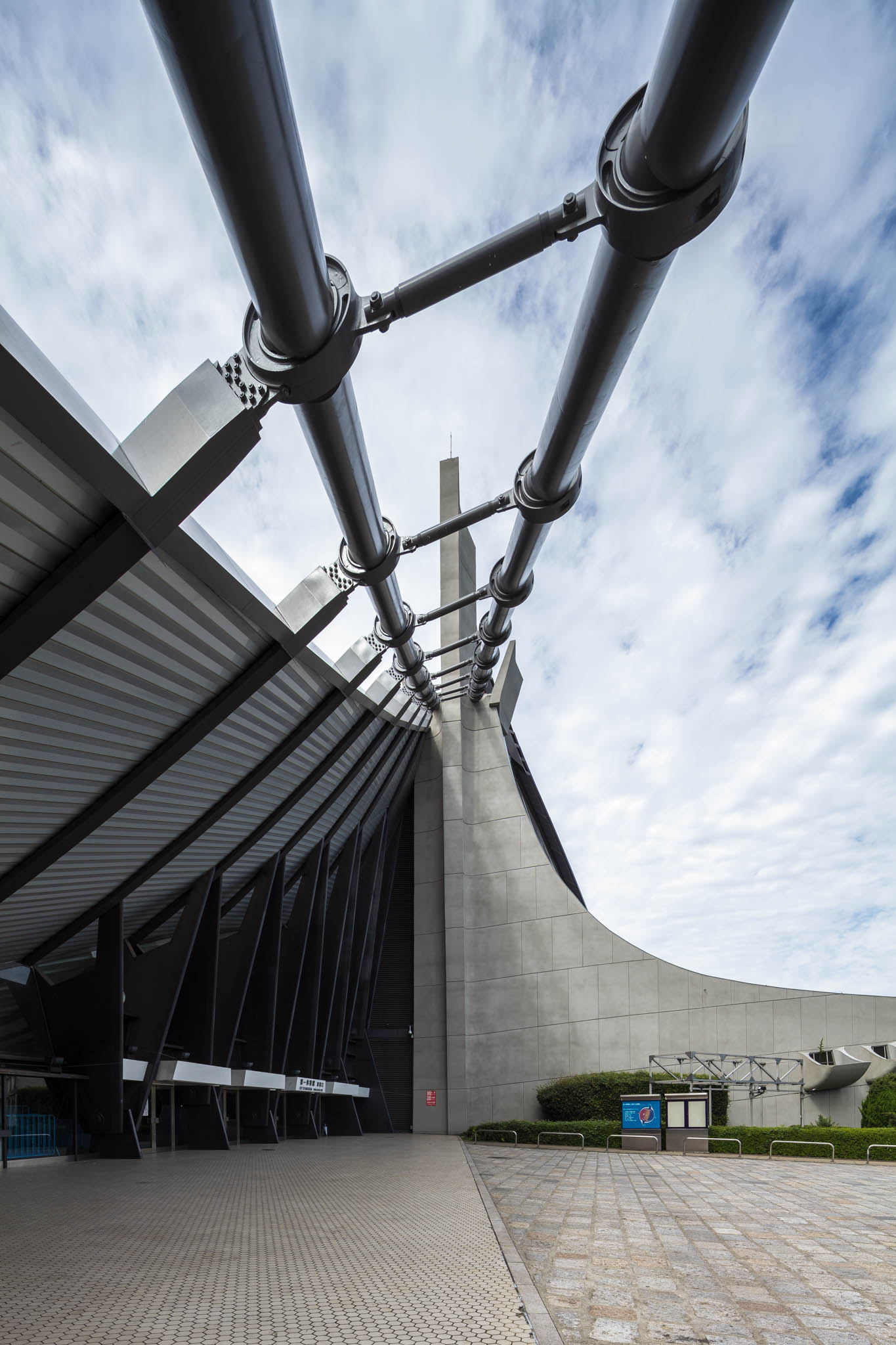
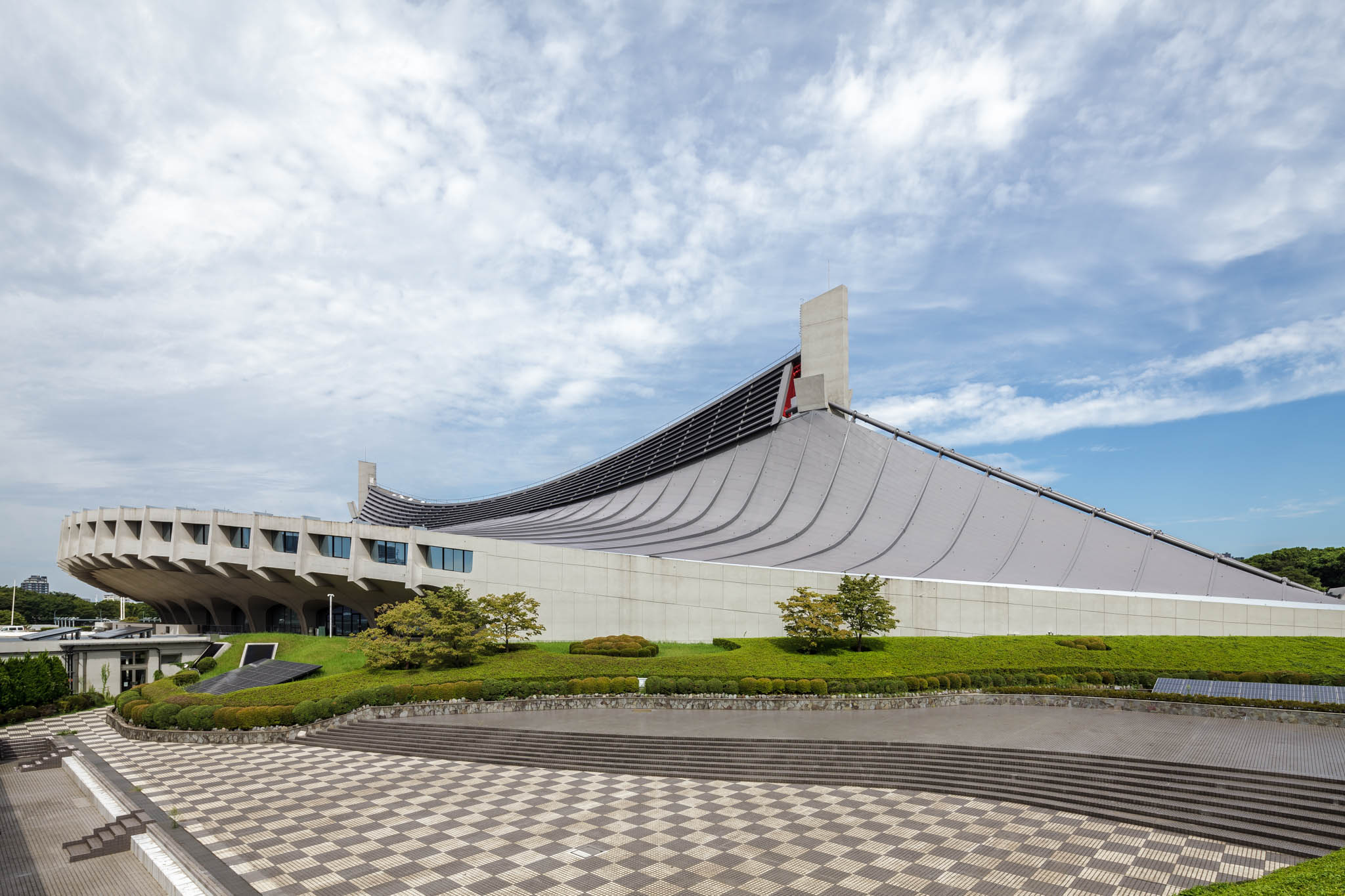
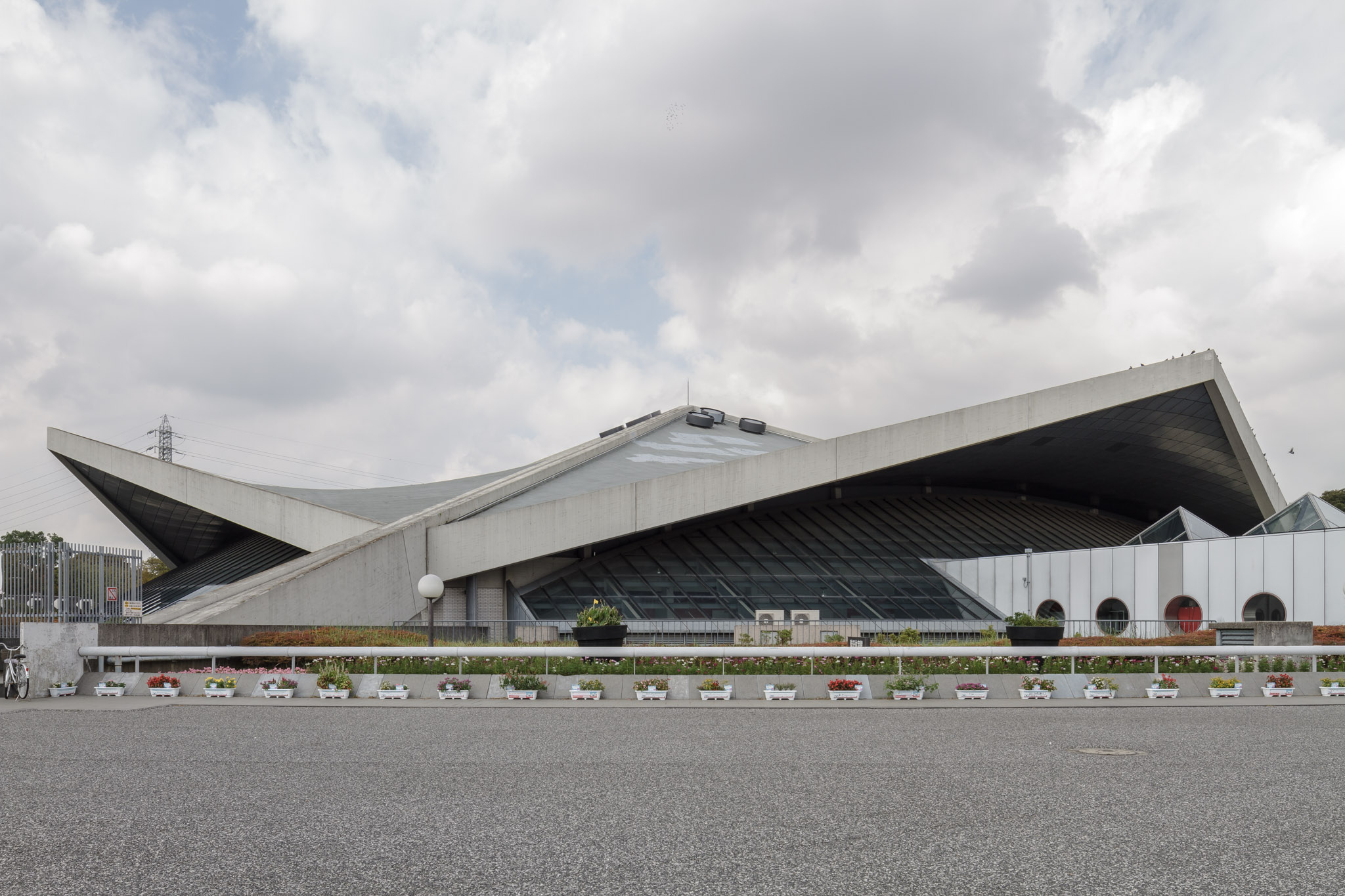
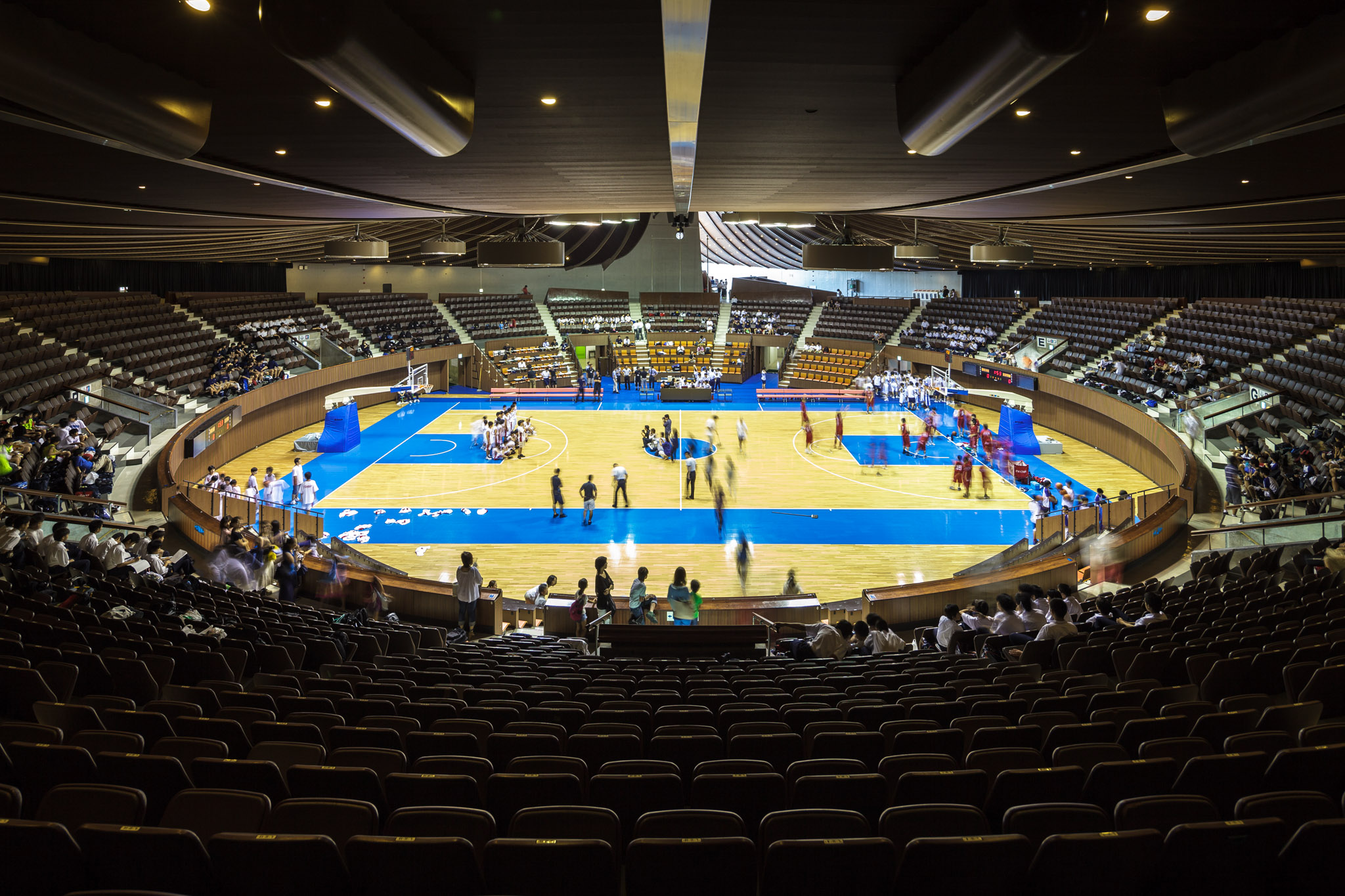
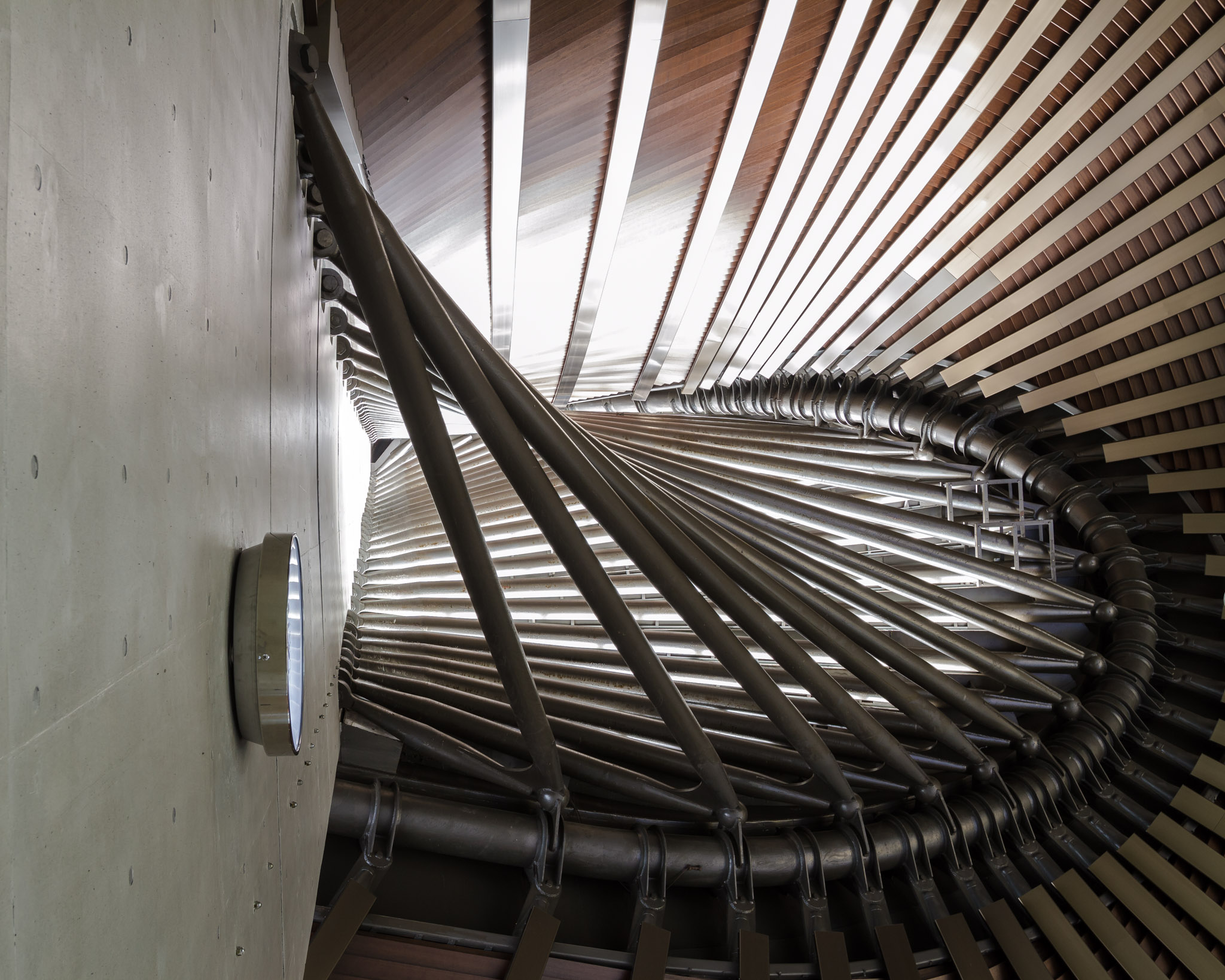
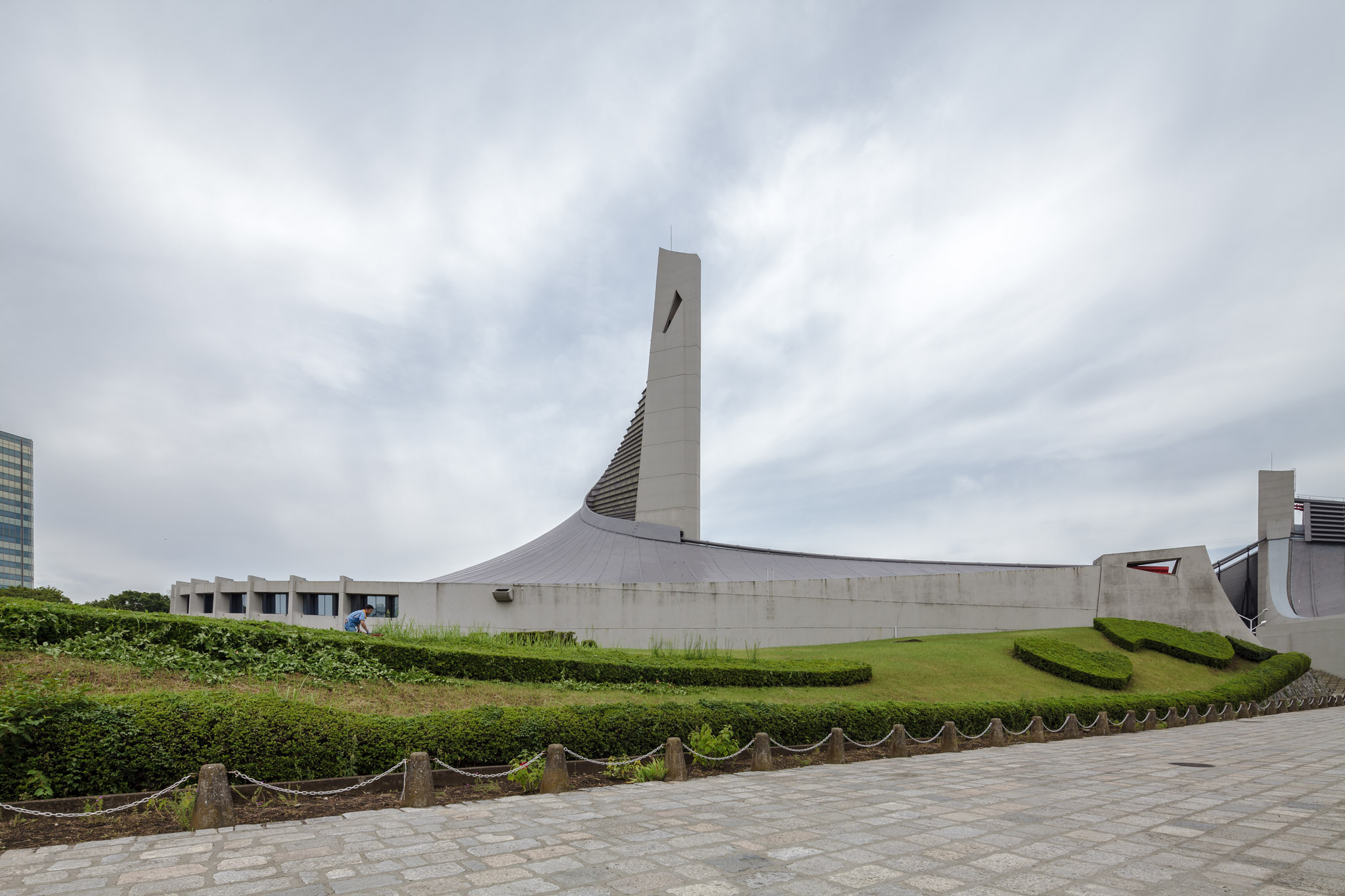
- Yoyogi National Gymnasium
- Villa Moderna
- Yoyogi National Gymnasium
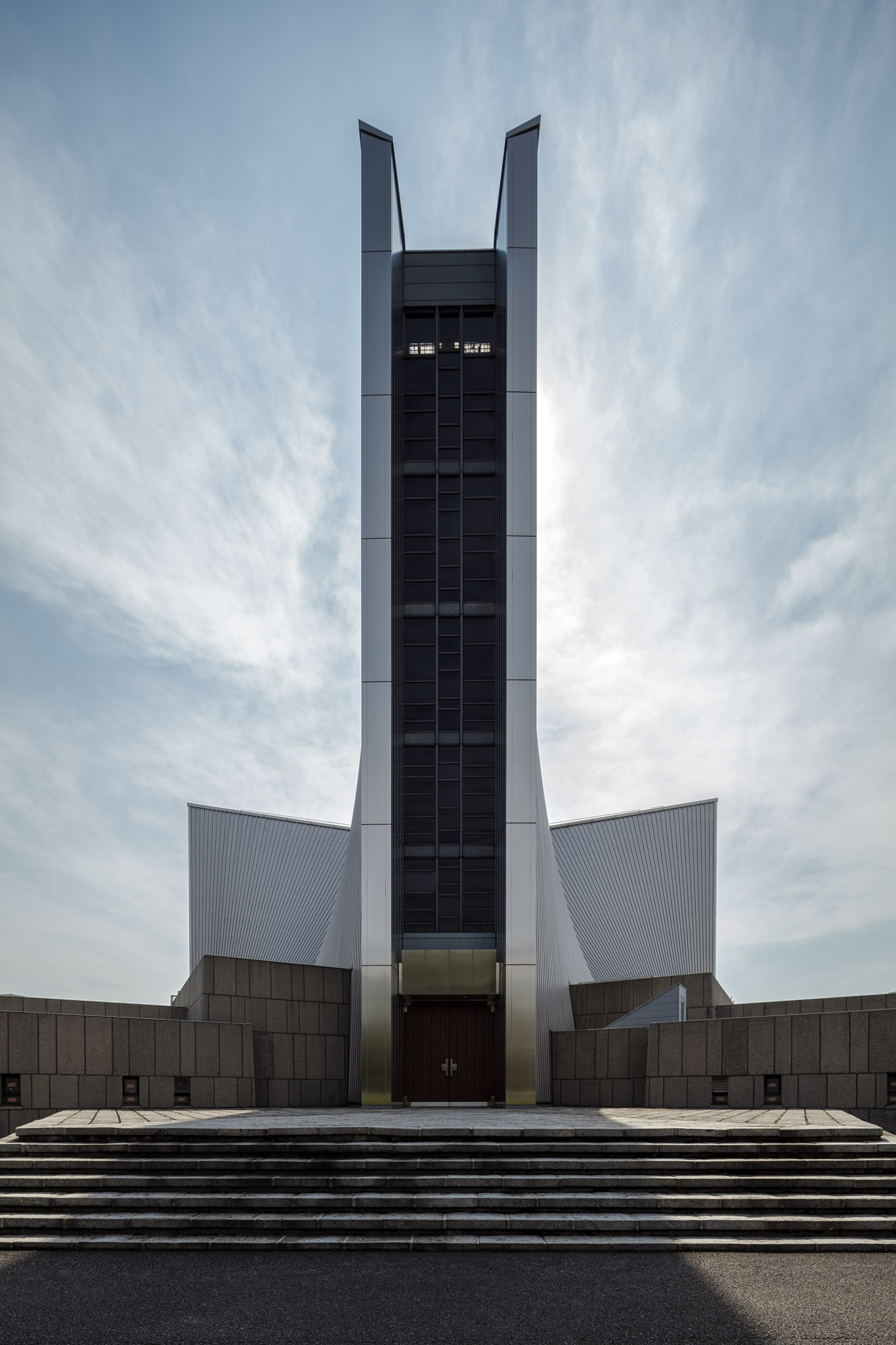
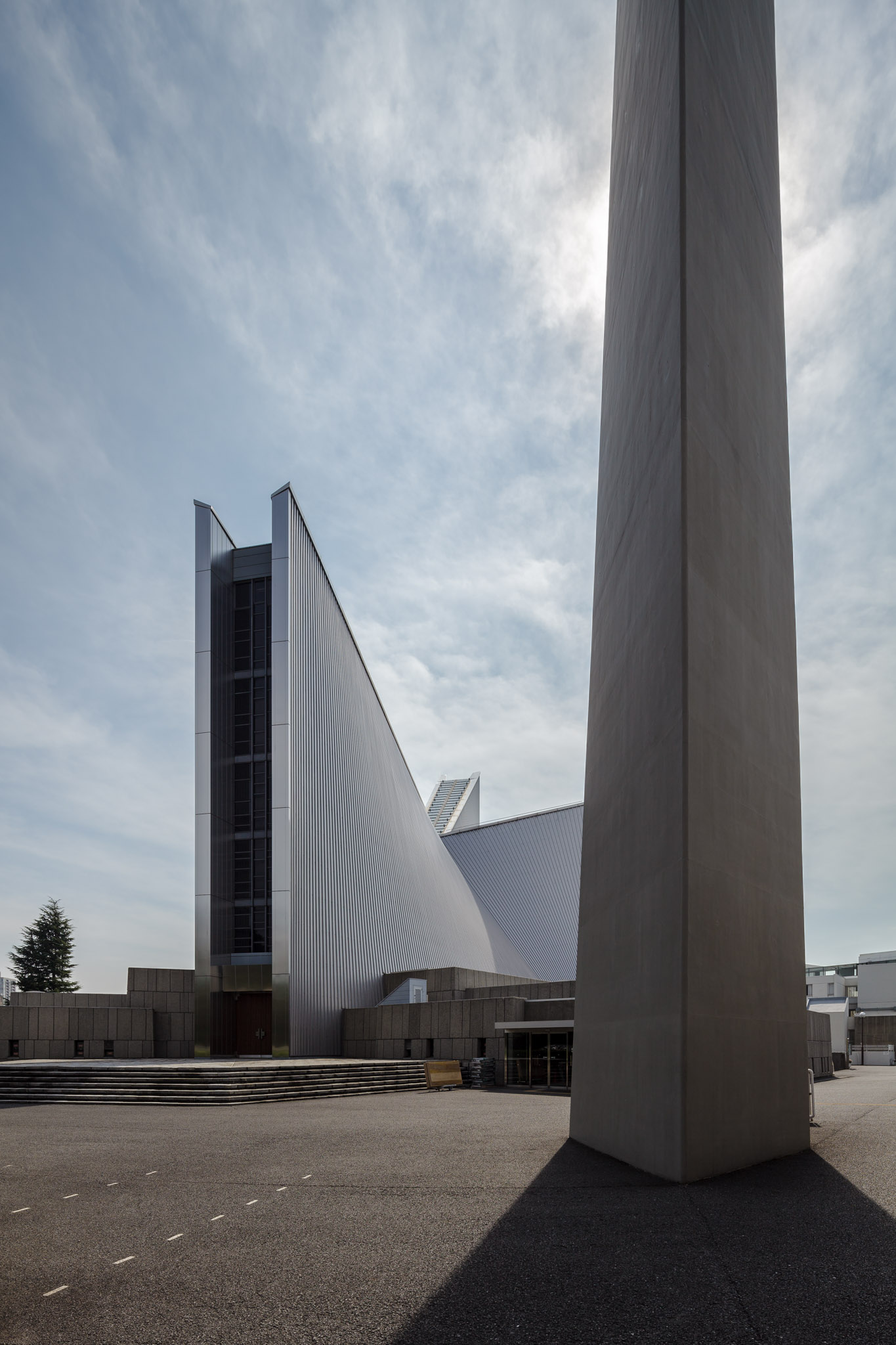
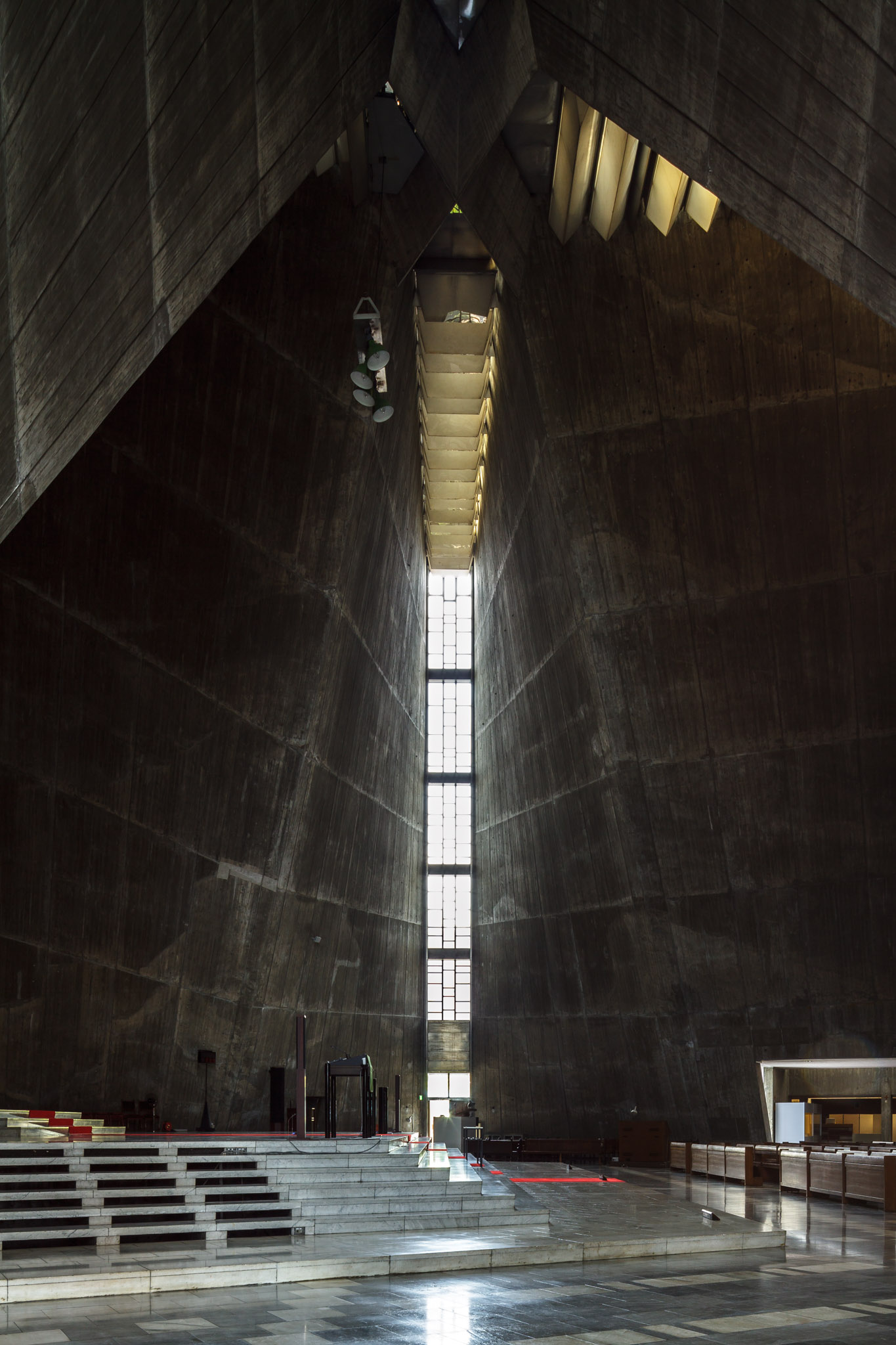
- St. Mary's Cathedral
- St. Mary's Cathedral
- St. Mary's Cathedral
- Yoyogi National Gymnasium
- St. Mary's Cathedral
- Yoyogi National Gymnasium
- No. 3 Sky Building
- Ichibankan
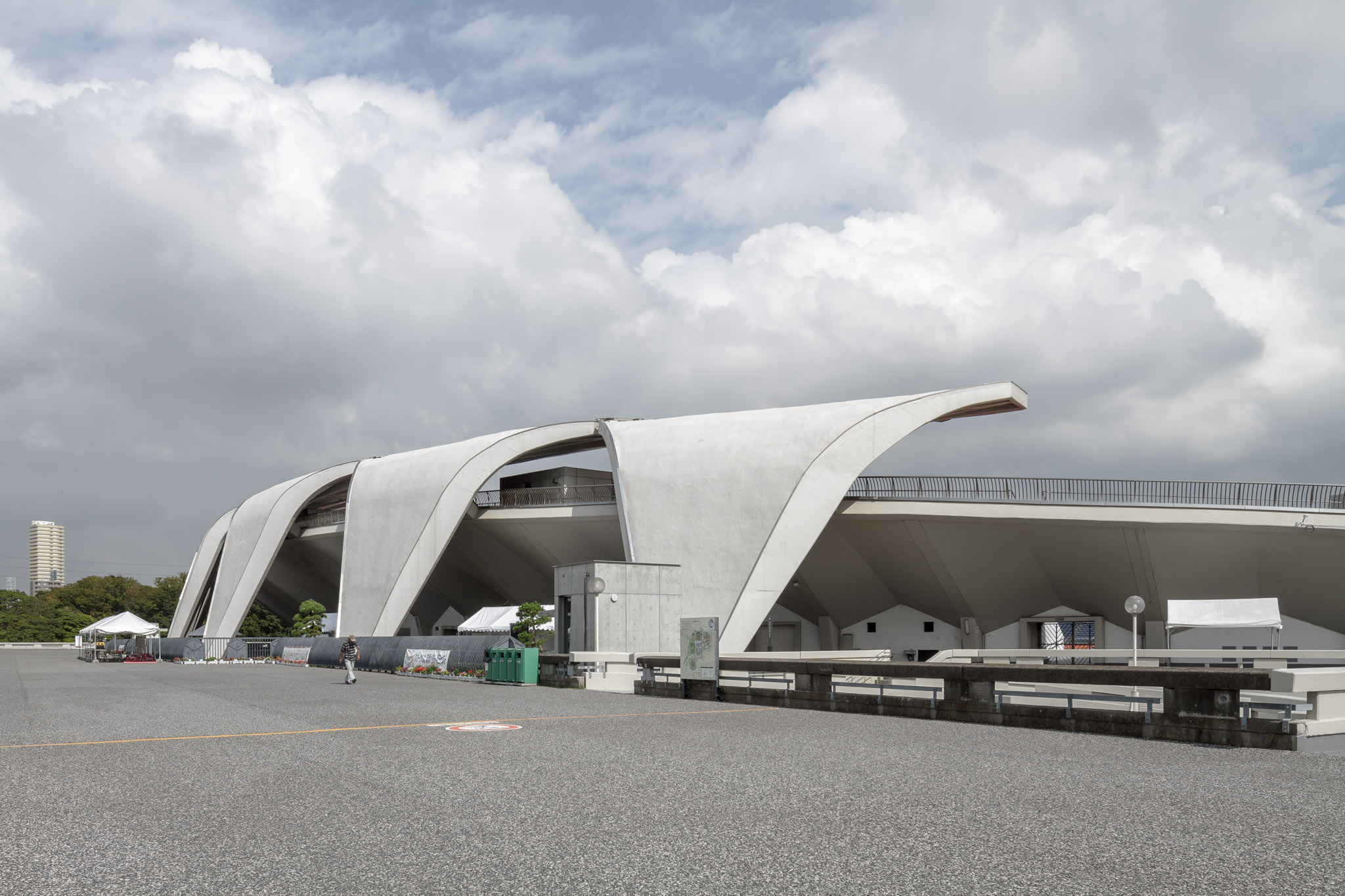
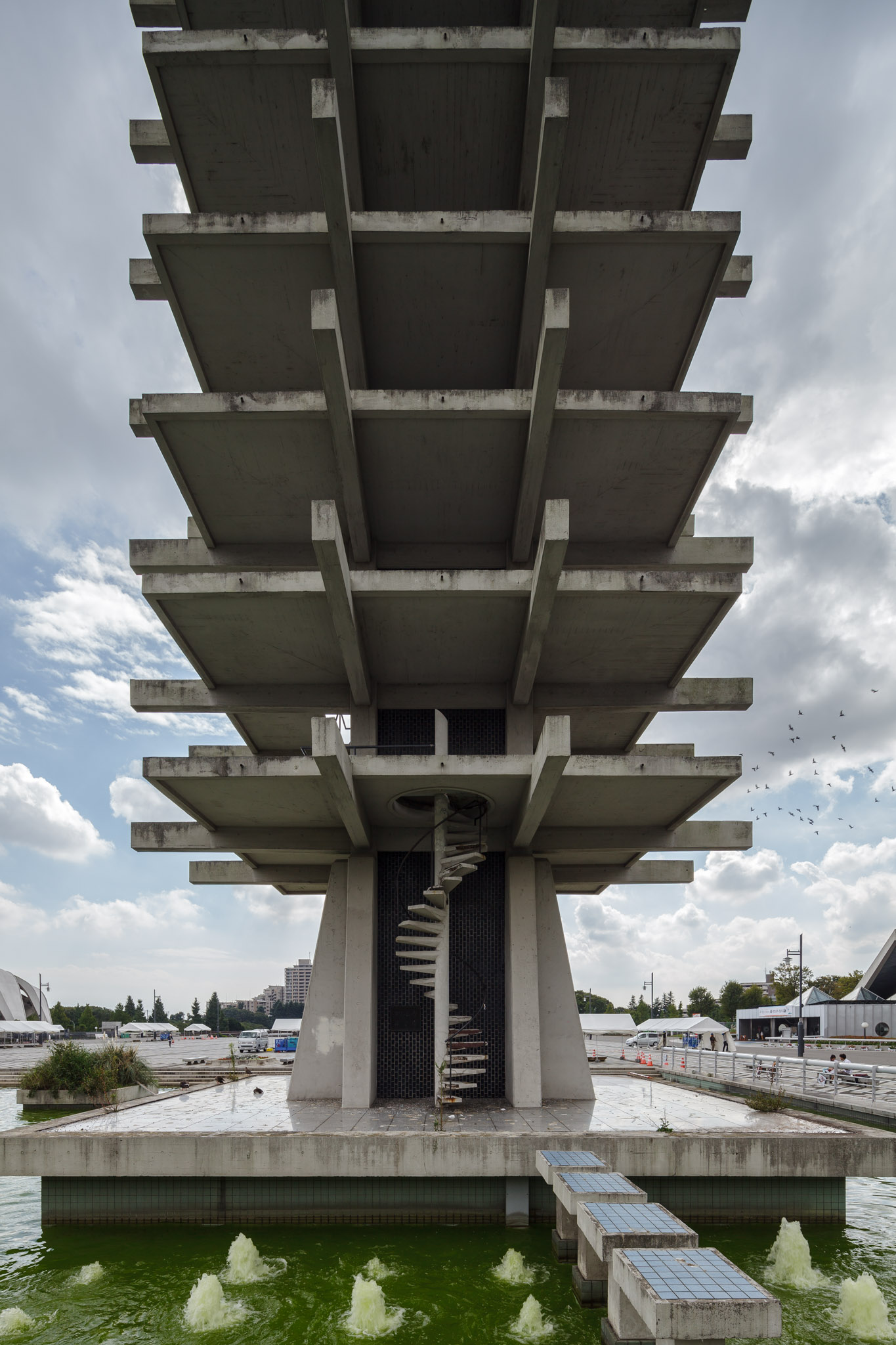
- Komazawa Olympic Park
- Yoyogi National Gymnasium
- Komazawa Olympic Park
- Komazawa Olympic Park
- Yoyogi National Gymnasium
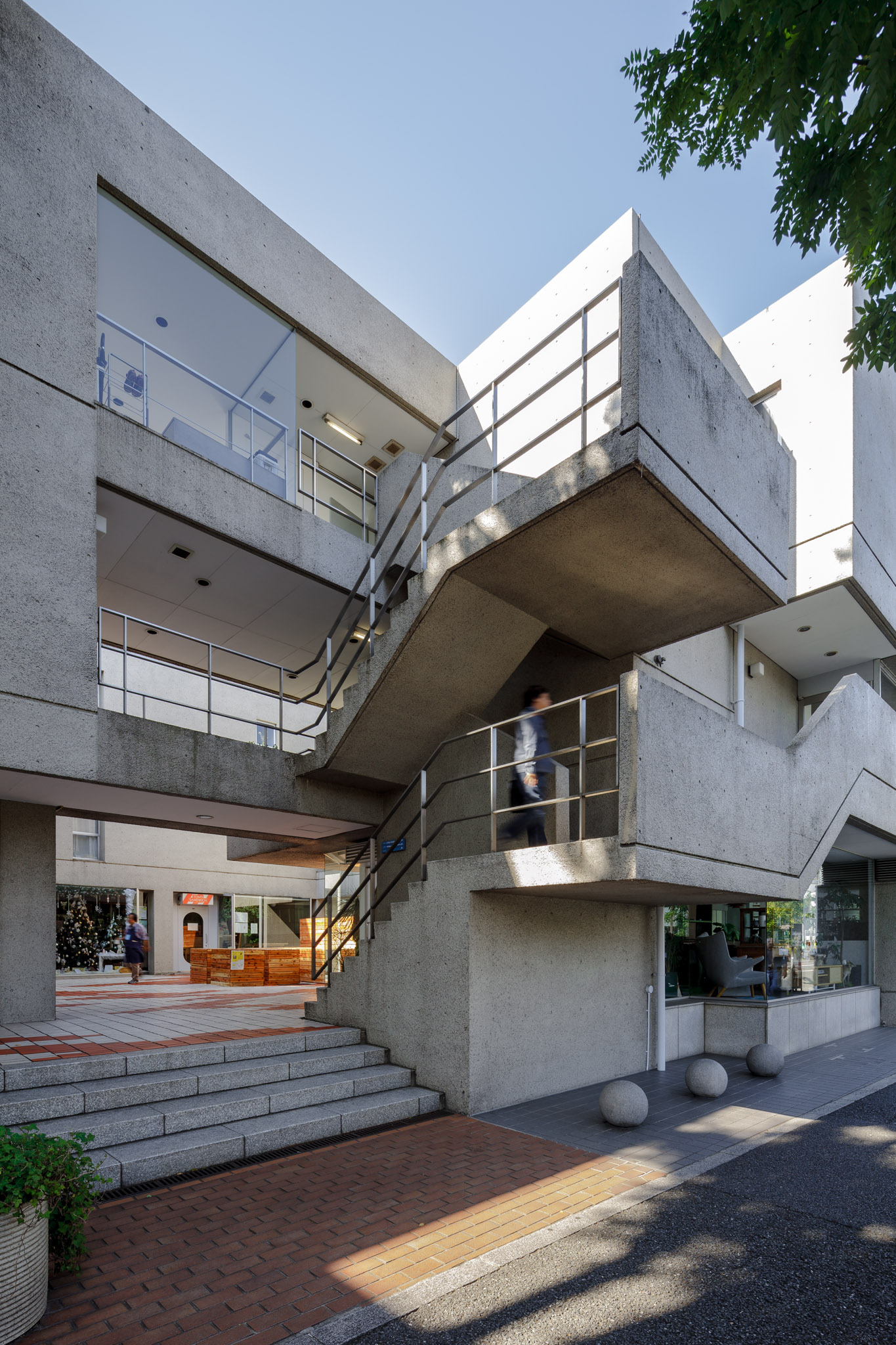
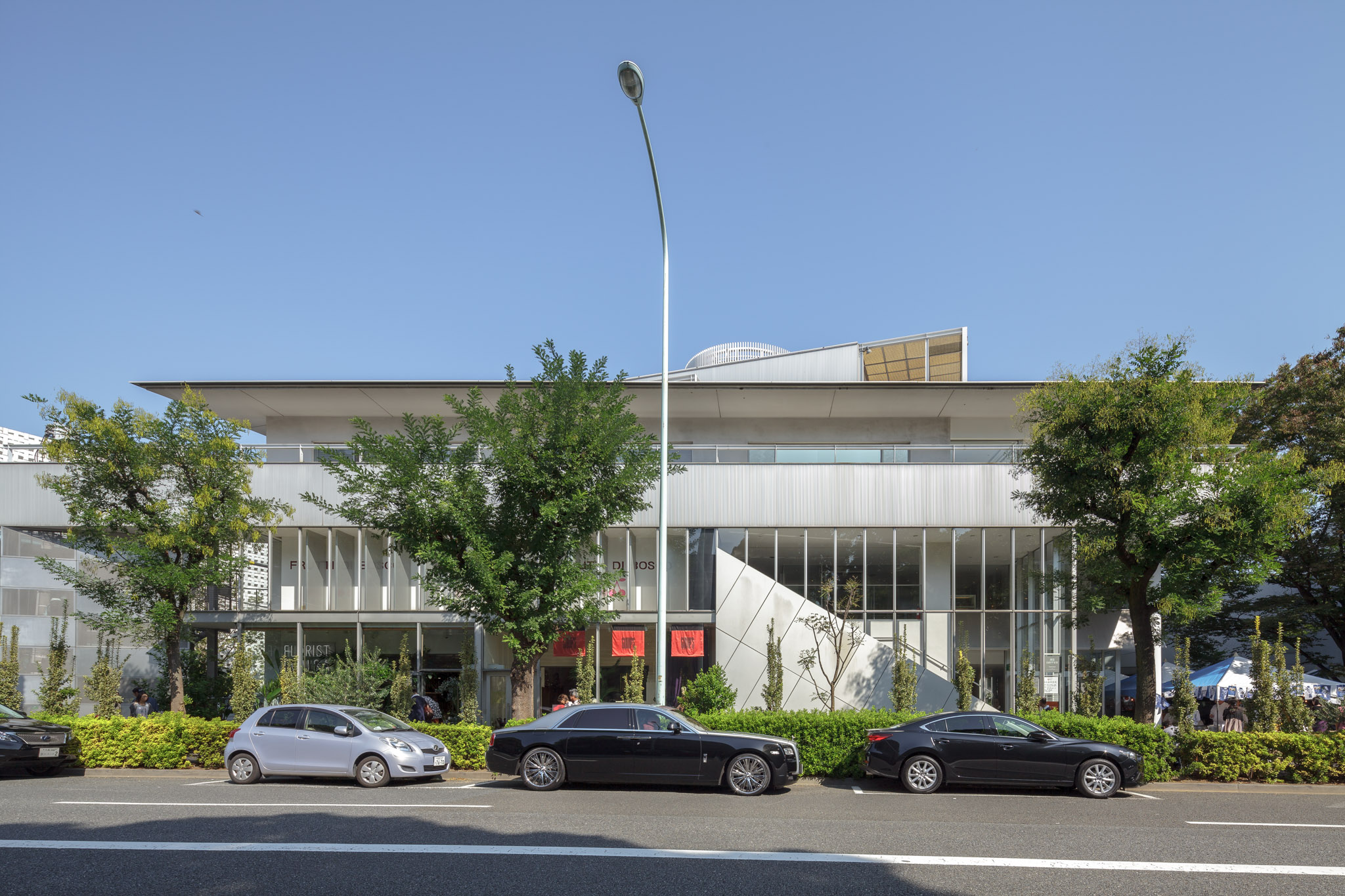
- Hillside Terrace
- Hillside Terrace
- Yoyogi National Gymnasium
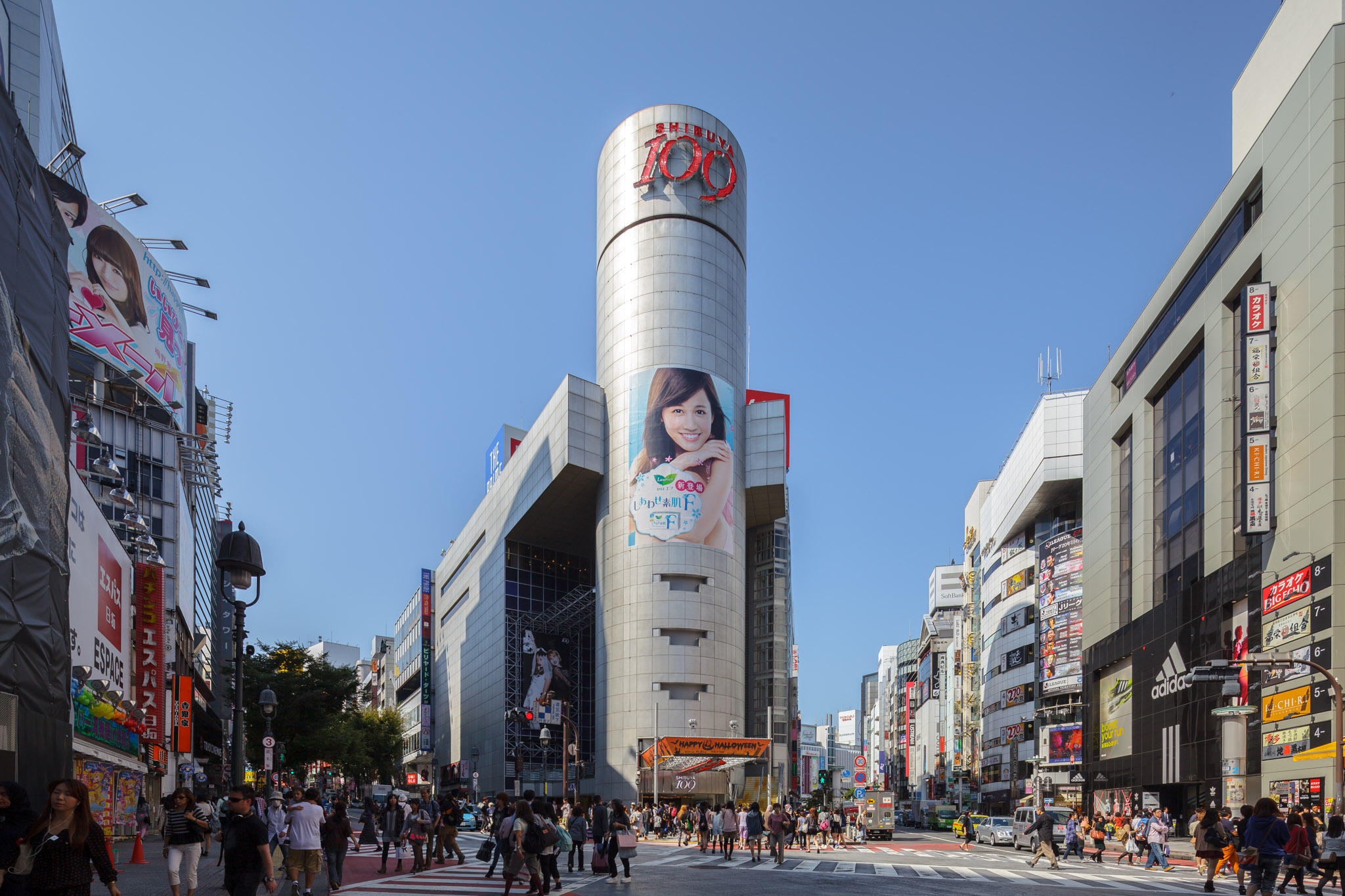
- 109 Building
- Ivy Café
- Ivy Café